
 LANGUAGE
 English
 中文简体
 Español
 日本語
Makeup packaging has never been only about holding a cosmetic product. The container is often the first physical part of a product that a user touches. Before an eye shadow reaches the skin, the case has already shaped part of the experience.

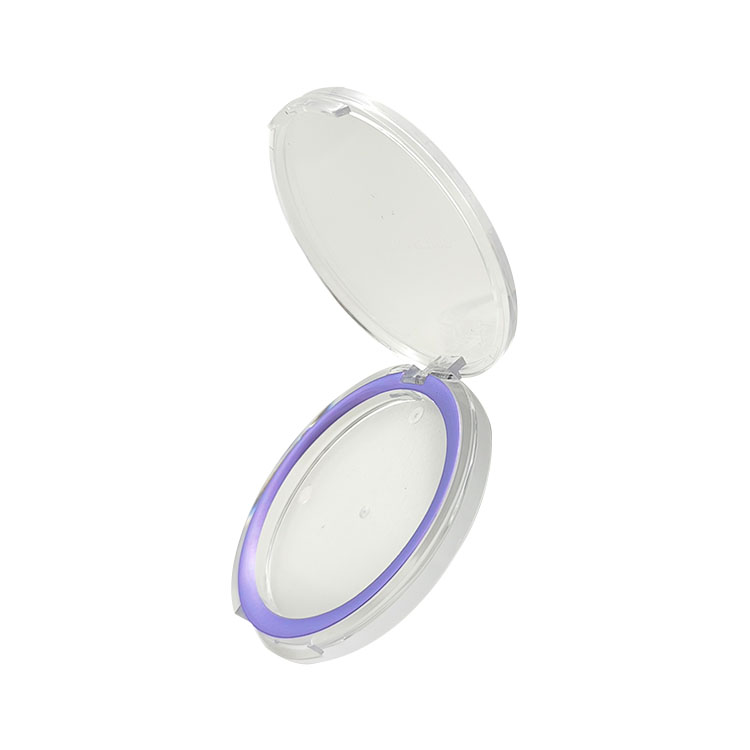
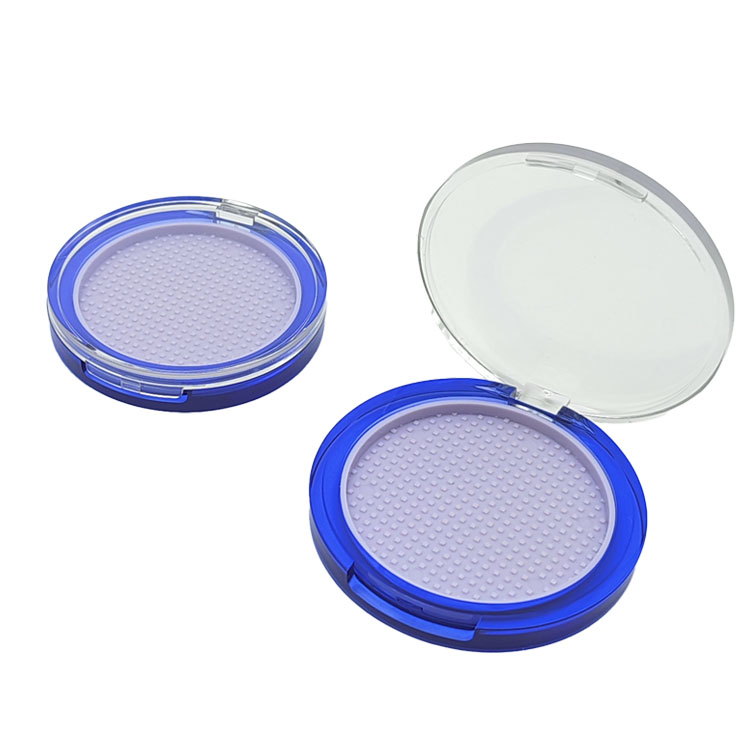
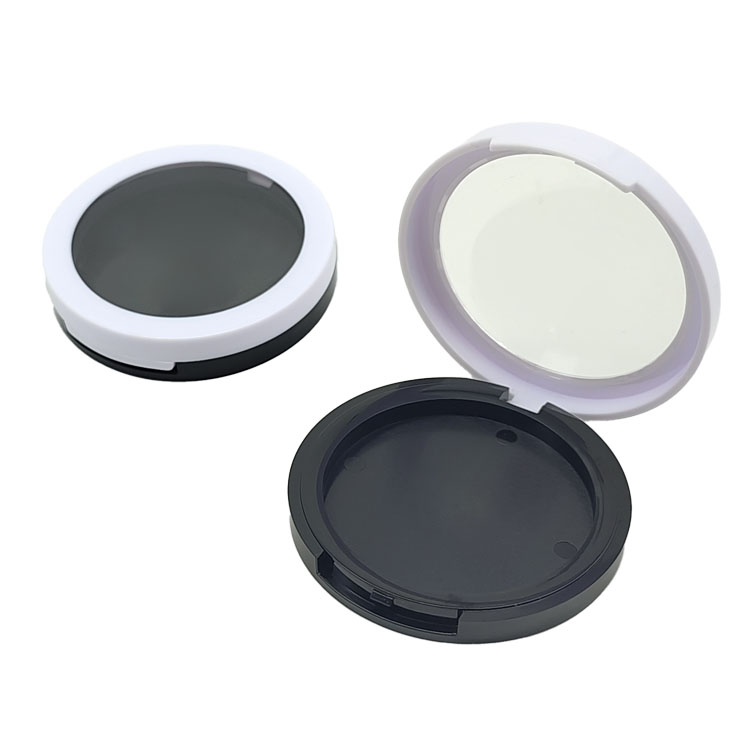
An Eye Shadow Case can be opened at a dressing table, carried in a handbag, placed beside a mirror, or taken on a trip. Its shape, surface, opening method, interior arrangement, and overall appearance can influence how a person feels when using the product.
This is changing the role of cosmetic packaging.
A case is no longer viewed only as a protective shell around eye shadow. It can become part of a daily makeup routine. It can make a product feel convenient, personal, organized, or enjoyable to use.
For cosmetic manufacturers and packaging designers, this creates an interesting design challenge. The case needs to work well as a container while also fitting naturally into the user's lifestyle.
Why Is Eye Shadow Case Design Becoming More Important?
The way people use makeup has changed. A makeup product may not stay in one place throughout the day. It can move from a bedroom to an office, from a home to a travel bag, or from a personal vanity to a shared space.
This movement gives packaging a more active role.
A user may pick up an eye shadow case several times during a normal routine. The case is opened, held, closed, stored, and carried. These simple actions create a series of small interactions.
That is why visual design alone is not enough.
A case may look attractive on a shelf but feel inconvenient during daily use. Another design may have a simple appearance but provide a more natural experience when opened and carried. The difference often comes from details that users notice without consciously analyzing them.
| Design Aspect | Possible User Experience |
| Case shape | Influences how the product feels in the hand |
| Opening method | Affects the ease of daily use |
| Interior layout | Helps users organize and access makeup |
| Surface finish | Contributes to the visual and tactile impression |
| Size and form | Relates to storage and portability |
| Custom appearance | Gives the product a more recognizable character |
This broader view places the eye shadow case between packaging and product experience.
For businesses developing cosmetic products, that distinction matters. The case is physically connected to the makeup routine, so its design can influence how the product is perceived and used.
How Does an Eye Shadow Case Shape the Everyday Makeup Routine?
A makeup routine often contains many small movements. A user picks up a case, opens it, selects a shade, applies makeup, and puts the case away.
The case sits within this sequence.
If the container is easy to hold and open, the routine can feel natural. If the interior makes the shades easy to see, the user can spend less time searching. If the case is convenient to store, it can fit more easily into an existing makeup space.
These are simple functions, but they can change the overall feeling of use.
Consider a person preparing makeup in a hurry. They may not think about packaging design in detail. They simply want to see the available shades, choose one, use it, and move on.
A well-considered case can support that process without demanding attention.
The same idea applies when makeup is used away from home. A compact case can become part of a handbag or travel pouch. The user may open it in a small space, use it quickly, and put it away again.
This is where convenience becomes part of design.
The Case Also Creates a Physical Rhythm
Opening and closing a cosmetic case may seem insignificant. Yet repeated actions can become familiar. The way the lid moves, the way the interior is arranged, and the way the case sits in the hand can all become part of a user's routine.
Over time, these details contribute to familiarity.
That familiarity can make a product feel easier to use. It can also influence whether a user wants to keep the case nearby rather than storing it away.
In this sense, packaging can become part of the habit rather than simply surrounding the cosmetic product.
What Role Does Appearance Play in the Makeup Experience?
Visual appearance remains important because cosmetic products are closely connected with personal style.
An eye shadow case can communicate a mood before it is opened. A soft appearance may suggest simplicity. A clean structure can create a modern feeling. Decorative elements can make the product feel more expressive.
However, appearance works differently when the case is used every day.
The design needs to remain comfortable within the user's environment. A case that looks interesting on a display shelf may not have the same effect when it is placed among other personal items.
This is why designers are paying attention to the relationship between appearance and function.
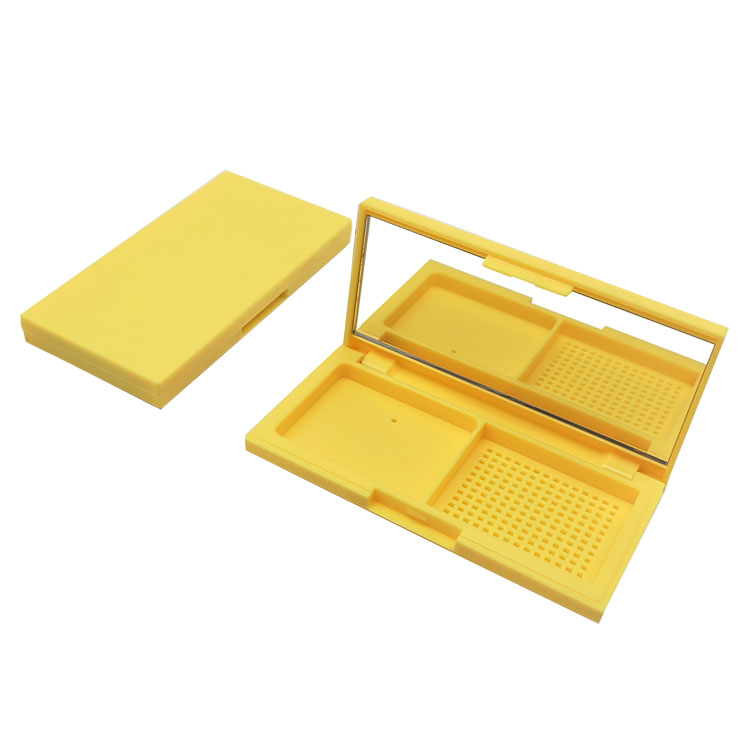
A case can use its outer surface to create visual identity while keeping the overall form practical. The interior can also contribute to the experience. The arrangement of shades, mirror placement, and available space can make the product feel more organized.
Personal Style Is Becoming Part of Packaging
Makeup is often a form of self-expression. The packaging can support this feeling.
Consumers may choose products based not only on the cosmetic shades but also on the way the product fits their personal preferences. A case with a distinctive appearance may feel more personal than a generic container.
This does not mean that every eye shadow case needs an elaborate design.
Simple packaging can also create a strong impression when its shape and details feel intentional.
The important point is that the case can participate in the visual story of the makeup product.
Could Interior Layout Change How Users Choose Eye Shadow?
The inside of an eye shadow case is where packaging design meets actual makeup behavior.
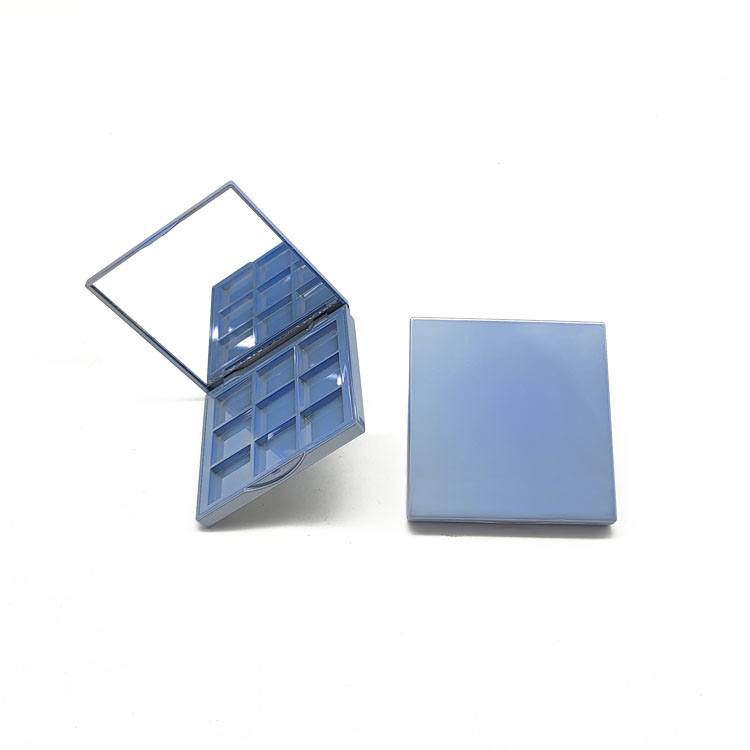
When several shades are placed together, their arrangement affects what the user sees immediately. A clear layout can make different colors easier to distinguish. A thoughtful arrangement can also encourage users to explore combinations that they may not have considered.
The case therefore becomes part of the selection process.
This is particularly interesting because users do not always approach makeup with a fixed plan. Someone may open a palette intending to use one shade and then change their mind after seeing another color.
The layout can support that moment of discovery.
A well-organized interior can make the product feel more approachable. It can reduce visual clutter and create a sense of order.
| Interior Consideration | Why It Matters |
| Shade arrangement | Helps users quickly understand the available colors |
| Visibility | Makes selection more convenient |
| Space around shades | Can make the interior feel less crowded |
| Mirror placement | Supports makeup application in different settings |
| Applicator space | Can help keep related tools together |
These elements are not separate from the makeup experience. They are part of it.
The user interacts with the case before interacting with the cosmetic itself. That makes interior design an important part of product usability.
How Can Custom Eye Shadow Cases Support Cosmetic Product Identity?
Customization gives manufacturers more room to connect packaging with a specific product concept.
A custom eye shadow case can be developed around a particular shape, appearance, color direction, or interior arrangement. This allows the packaging to become more closely connected with the product rather than functioning as a standard container.
For cosmetic businesses, this can be useful when packaging needs to communicate a particular product personality.
A case designed for a simple daily makeup product may have a different visual language from one intended for a more expressive collection. The difference can appear in the shape, surface treatment, interior layout, or decorative details.
Customization can also support consistency across a product range.
When several cosmetic products share related packaging elements, users may recognize them as part of the same collection. At the same time, individual cases can retain their own visual character.
Customization Is Not Only About Decoration
It is easy to think of customization as adding a logo or changing a color. The concept can go further.
The physical relationship between the lid and base can be customized. The interior can be arranged around different shade combinations. The overall form can be designed around the way users are expected to carry or store the product.
This makes customization a functional decision as well as a visual one.
For manufacturers and buyers, the key question is not simply how the case looks. It is how the design supports the product concept and the user's daily behavior.
Are Portable Eye Shadow Cases Changing Makeup Habits?
Portability has become an important consideration because makeup is increasingly used across different locations.
A person may keep makeup at home, carry a small selection during a commute, or bring cosmetics when traveling. This creates demand for packaging that can move easily between different environments.
The eye shadow case is naturally suited to this shift because it can combine several shades in one compact format.
Portability also changes expectations about convenience.
Users may want to open the case quickly, identify the desired shade, apply makeup, and store the case without disrupting the rest of their belongings. This makes the relationship between form and function particularly important.
The case must work in real situations rather than only look attractive in a product photograph.
Travel Reveals Design Strengths
Travel can expose packaging problems that are easy to overlook at home.
A product may be used in a small hotel room, inside a handbag, or while preparing for an event away from home. Limited space makes simple access more valuable.
A portable eye shadow case can support these situations when its design is easy to handle and organize.
This is one reason why portability should not be treated as a separate feature. It is closely connected with the overall makeup experience.
Should Eye Shadow Case Design Focus More on Users?
User-centered design is becoming more relevant across cosmetic packaging because consumers interact with containers repeatedly.
A case can be visually appealing, but its everyday value depends on how it behaves during use.
Designers therefore need to think about the complete interaction.
- Before opening: Can the user recognize the product easily?
- During opening: Does the case feel natural to handle?
- During selection: Can the user understand the interior quickly?
- During application: Does the arrangement support the makeup process?
- After use: Is the case convenient to close and store?
These questions shift attention from appearance alone to the complete experience.
They also show why small design decisions can have a wider effect. A change in the interior arrangement may make shade selection easier. A different case shape may improve handling. A new surface treatment may change how the product feels when picked up.
None of these elements needs to dominate the product.
Their value comes from working together.
What Could the Future of Eye Shadow Case Design Look Like?
The development of cosmetic packaging is likely to continue moving toward designs that connect appearance, convenience, and personal use.
The eye shadow case is a useful example because it sits directly between the cosmetic and the consumer. It is visible before use, handled during use, and stored after use.
That creates opportunities for more thoughtful packaging concepts.
Future designs may explore more adaptable interiors, easier storage, more personal forms, and materials selected with greater attention to the complete product experience. The focus may also move toward packaging that feels natural in different daily situations rather than being designed only for display.
Another possible direction is greater flexibility.
Different users have different makeup habits. Some prefer a small selection of shades. Others want a broader palette. Some use makeup mainly at home, while others carry it throughout the day.
A flexible case design can respond to these different patterns.
The interesting development may therefore be the changing relationship between the container and the cosmetic itself. The eye shadow case is becoming less like a passive shell and more like an active part of the user's routine.
That shift gives cosmetic packaging designers a wider field to explore. The case can influence how makeup is stored, carried, selected, opened, and experienced, turning an everyday container into a meaningful part of the product.