
 LANGUAGE
 English
 中文简体
 Español
 日本語
The appearance of an eyeshadow palette can shape a shopper's impression before the product is even opened. A palette may contain carefully selected shades, but the outer design often creates the first point of contact between the product and the consumer.
This has made factory design an increasingly interesting part of makeup product development. An eyeshadow palette factory is not only involved in producing a container for cosmetic products. Its work can influence the shape, organization, opening experience, visual identity, and practical use of the finished palette.

As beauty preferences continue to diversify, consumers are also looking for products that feel relevant to their personal style. Some prefer simple and understated packaging. Others enjoy colorful designs, distinctive shapes, or decorative details. The market therefore needs palettes that can communicate different ideas while remaining practical for everyday use.
For manufacturers and beauty businesses, understanding this relationship can help turn packaging design into a more meaningful part of product development.
Why Does Eyeshadow Palette Design Matter to Consumers?
In most shopping scenarios, consumers judge an eyeshadow palette by its appearance before checking detailed parameters such as shade pigmentation, texture and formula.
The outer casing delivers intuitive visual signals. Its overall shape, surface texture, base color and opening mechanism jointly define the product's tone and market positioning. A sleek, streamlined design conveys a minimalist, versatile style, while ornate casing details create a bold, expressive brand temperament.
Admittedly, exterior design is not the decisive factor in purchase behavior. Core product attributes including formula quality, shade matching rationality, operational convenience and personal usage habits still dominate consumers'final choices.
Even so, exquisite and targeted design can effectively arouse consumers'curiosity and motivate further exploration of the product.
A visually appealing palette can attract shoppers to pick it up, examine the internal color arrangement, compare shade combinations and visualize their own makeup effects. These subtle interactive experiences greatly optimize offline retail shopping perception.
This rule is equally applicable to online beauty consumption.
When browsing makeup products on e-commerce platforms and social media, users usually view packaging images prior to learning specific product features. High-definition, intuitive palette visuals can quickly convey the product's stylistic positioning and capture users'attention amid massive homogeneous commodities.
This forms a solid causal relationship between factory-led packaging design and market attractiveness.
Although palette manufacturers do not formulate brand marketing strategies, their ability to turn abstract product concepts into tangible physical products directly determines how consumers perceive and recognize the brand's design ideas.
How Does Exterior Design Shape a Palette's Visual Identity?
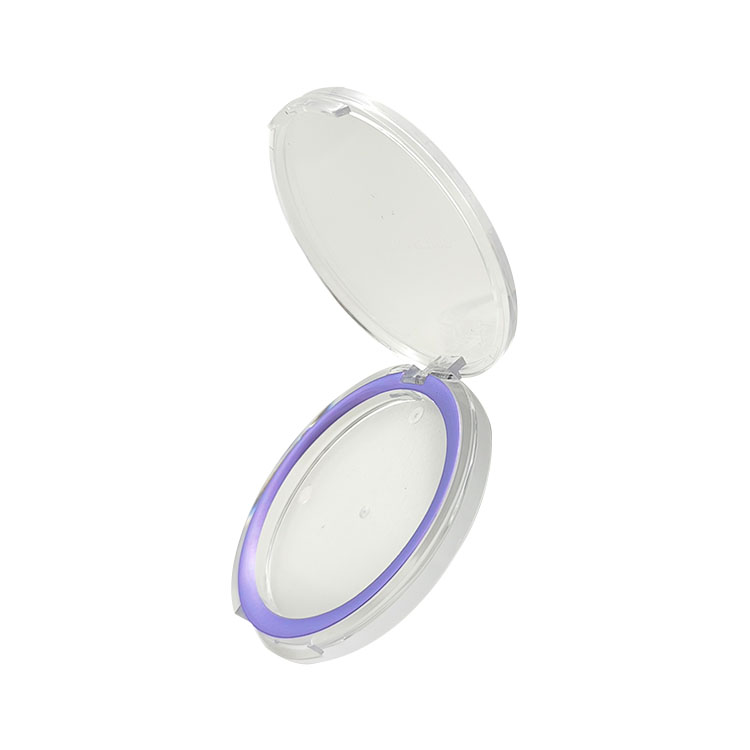
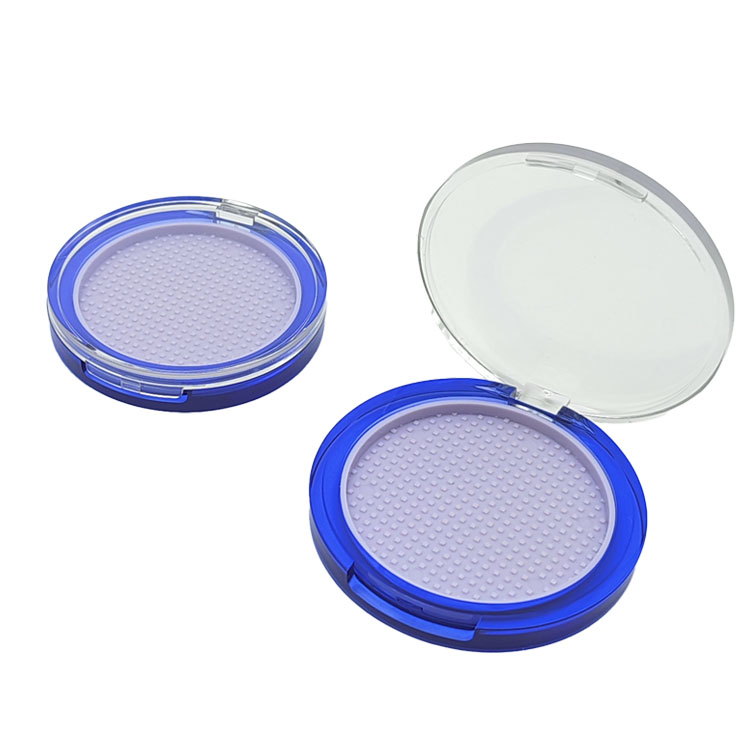
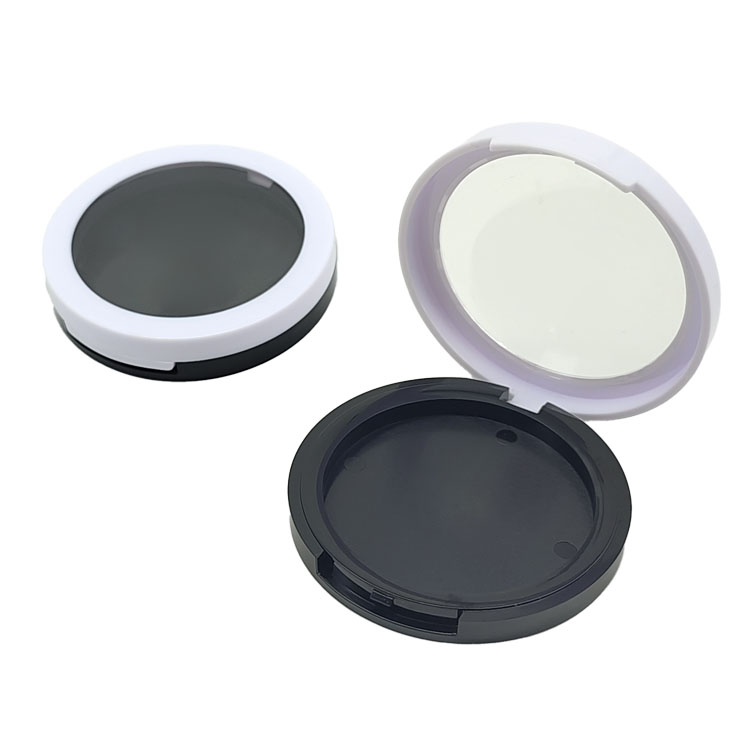
The exterior of an eyeshadow palette provides a large space for visual expression.
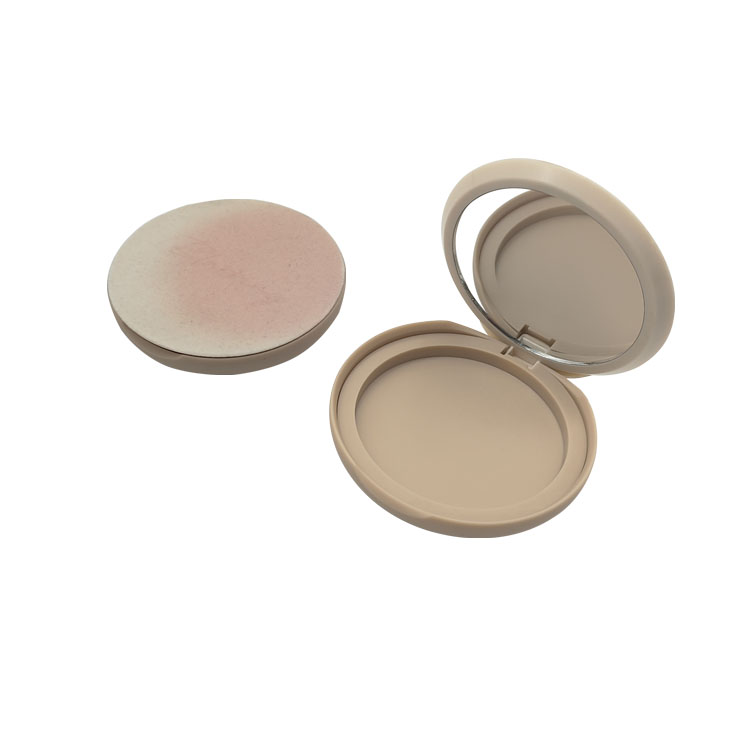
Manufacturers can work with different shapes, surface treatments, finishes, colors, and decorative approaches. These choices allow a palette to develop a recognizable character.
A compact palette with a restrained appearance may appeal to consumers who prefer simple makeup products. A colorful palette may attract shoppers who enjoy playful designs. A more elegant appearance can create a different impression without changing the actual makeup inside.
This variety is important because beauty consumers do not share one style.
A useful way to understand the relationship is through several common design directions:
| Design Direction | Possible Consumer Impression |
|---|---|
| Simple Appearance | Clean and Easy to Understand |
| Colorful Exterior | Playful and Expressive |
| Soft Visual Style | Gentle and Approachable |
| Decorative Details | Creative and Distinctive |
| Compact Form | Convenient and Easy to Carry |
| Personalized Appearance | More Connected to Individual Preferences |
These impressions are not fixed rules.
A consumer may interpret the same design differently depending on personal taste and shopping context. The role of the factory is to help turn the intended visual concept into a practical product.
This requires attention to both appearance and usability.
A design that looks interesting but feels awkward to open may create a different experience from the one originally intended. For this reason, exterior appearance works better when it supports the way the palette will actually be used.
Can Packaging Design Influence the Makeup Experience?
Packaging is often treated as something that protects the product. In cosmetics, it can also become part of the user experience.
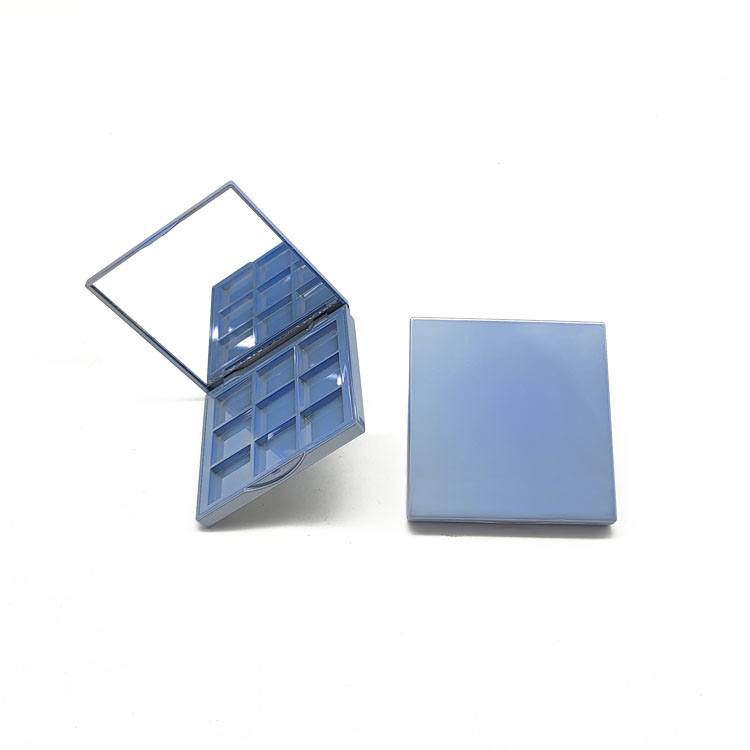
Opening an eyeshadow palette is a small action, but it happens every time the product is used. The movement of the lid, the position of the mirror, the arrangement of the shades, and the way the palette fits into the user's hand can all influence that moment.
This makes product design more than a visual exercise.
A consumer may want to open the palette quickly before applying makeup. Another person may enjoy looking at the shades and packaging as part of the preparation process.
The design can support these different habits.
A well-planned palette can make the contents easy to see. It can also help the user understand where different colors are placed. A clear layout can reduce unnecessary movement during makeup application.
The factory's role is important because the design concept needs to become a physical product that works in real situations.
This is where manufacturing experience and product development meet.
An eyeshadow palette factory that understands both visual expectations and everyday use can help create packaging that feels connected to the product rather than separate from it.
What Role Does Interior Layout Play in Consumer Appeal?
While exterior design attracts consumers'initial attention, internal layout determines their in-depth product experience and recognition, making it equally important.
Consumers prioritize clear visibility of all eyeshadow shades and a logical, intuitive color arrangement that conforms to conventional makeup thinking.
Chaotic internal partitioning and disorderly color collocation will reduce product texture and user favorability, while a neat, layered layout allows consumers to quickly grasp product characteristics and color matching logic.
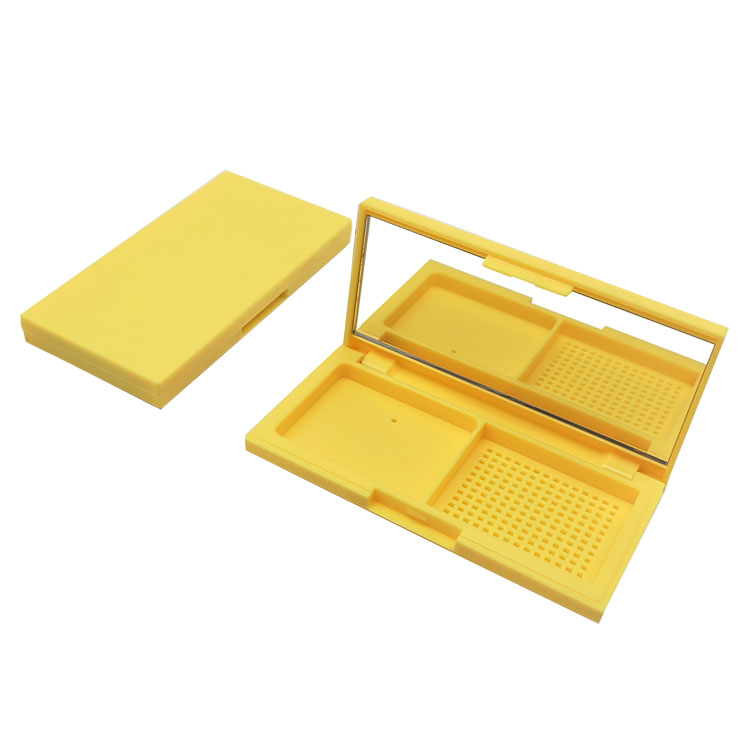
The internal design system covers multiple details: the distribution of single-color pans, the spacing between different shades, the installation position and size of the mirror, and the overall spatial balance of the palette.
A well-planned internal layout can also guide users' makeup creativity and imagination.
For example, a gradient color arrangement from light to dark is convenient for users to create layered daily eye makeup, while a diversified cross-color layout is more suitable for makeup enthusiasts who like bold experimental styles.
There is no universal standard for qualified palette interior design.
Different layout schemes can precisely match the needs of different consumer groups and usage scenarios.
This is why flexible customized production has become a mainstream trend in the eyeshadow palette manufacturing industry. Brands can launch portable mini palettes for daily commuting, large-capacity multi-color palettes for professional makeup, and themed customized layouts for specific product positioning.
Factory design needs to fully accommodate these personalized demands while ensuring the structural stability and practicality of finished products.
How Can Customization Change Consumer Perception?
Customized design enables eyeshadow palettes to highly fit specific product themes and brand concepts, forming a unique market competitive advantage.
Consumers are easily attracted to differentiated packaging details, including exclusive casing shapes, thematic decorative elements, special surface textures, customized color combinations and exclusive internal layout planning.
The core value of customization is not merely to pursue visual differentiation.
More importantly, it accurately conveys the product's core positioning and design logic to target consumer groups.
Palettes with natural and minimalist themes adopt soft lines and low-saturation color matching to fit daily light makeup demands; products positioned for creative makeup feature bold shapes and gorgeous decorations to highlight personality; portable daily palettes focus on compact structure and reasonable layout to prioritize user convenience.
Manufacturers are the core executors of customized design, responsible for turning abstract brand themes and creative concepts into feasible physical products.
This process requires efficient docking and cooperation among design teams, brand product departments and factories. The earlier all parties reach a consensus on target user positioning and expected usage experience, the more consistent the final product design and brand concept will be.
For brand purchasers and product developers, in-depth communication with factories has become a key link in product development.
Factories need to fully understand the brand's design intention and product communication focus, while product teams need to recognize the technical limitations and feasible scope of industrial production.
This two-way communication mechanism realizes deep integration of creative design and industrial production.
Why Is Practicality Still Important in Attractive Packaging?
Visual appeal can attract attention, but consumers eventually use the product.
This is where practicality becomes important.
An eyeshadow palette may be photographed for online stores, displayed on shelves, or shown in promotional materials. Yet the consumer will eventually open it, carry it, store it, and use it.
A practical design can make these activities easier.
The palette should be comfortable to handle. Its opening method should make sense. The interior should allow users to see the shades without unnecessary difficulty. The case should also fit naturally into the consumer's storage habits.
These details may not create an immediate visual reaction, but they can influence the user's overall impression.
This creates a useful balance for factory design.
| Consumer Expectation | Design Consideration |
|---|---|
| Easy Handling | Comfortable Overall Form |
| Quick Shade Selection | Clear Interior Arrangement |
| Convenient Storage | Practical Product Size and Shape |
| Attractive Appearance | Coordinated Exterior Design |
| Simple Daily Use | Easy Opening and Closing |
| Distinctive Identity | Appropriate Decorative Details |
A successful product concept needs to bring these elements together.
The goal is not to add as many design features as possible. Extra details may not always create extra value. In some cases, a simpler product can provide a clearer experience.
How Does Eyeshadow Palette Factory Design Respond to Changing Beauty Preferences?
Beauty trends change quickly, but consumer preferences are not limited to trends.
Some shoppers follow new styles closely. Others prefer familiar products that fit their daily routines. Some care about packaging design. Others focus mainly on color selection and convenience.
This variety encourages manufacturers to develop more flexible approaches.
An eyeshadow palette factory may need to support different product concepts, packaging styles, and consumer groups. The ability to adapt can become important for businesses that want to test new ideas or refresh existing product lines.
There is also greater interest in products that feel personal.
Consumers may want makeup packaging that reflects their personality. They may prefer a palette that feels elegant, playful, minimal, artistic, or practical.
This gives factory design a creative role.
The manufacturer is no longer simply producing a standard container. It is helping transform an idea into an object that consumers can see and use.
This change is also affecting communication between beauty businesses and manufacturers.
Product developers increasingly need to discuss the intended consumer experience, not just the basic shape of the packaging. Questions about appearance, usability, storage, customization, and product positioning can all influence the final design.
Could Factory Design Become Part of a Beauty Product's Creative Process?
The connection between manufacturing and creativity is becoming more visible.
An eyeshadow palette begins with an idea. That idea may involve colors, a particular visual identity, a target consumer, or a certain way of using the product.
The factory helps turn that idea into a physical form.
This means factory design can influence the creative process itself.
A manufacturer may offer different approaches to shape, layout, decoration, and packaging structure. These possibilities can encourage product developers to consider ideas they had not previously explored.
At the same time, manufacturing limitations can help make a product concept more realistic.
This relationship works in both directions.
Design influences production, while production possibilities can influence design.
For beauty businesses, this creates a reason to involve the factory earlier in product development. Early communication can help align the visual concept with practical production needs.
The result can be a more connected product.
Consumers may never know how many decisions were made before an eyeshadow palette reached a store or online marketplace. They simply see the finished case, open it, look at the colors, and decide whether the product feels right for them.
That experience begins with design.
As the beauty market becomes more varied, eyeshadow palette factory design is taking on a broader role. It connects appearance, usability, customization, product identity, and consumer expectations within one physical product.
For manufacturers, this creates opportunities to support more diverse product concepts. For beauty businesses, it highlights the importance of treating packaging as part of the product experience rather than an afterthought.