
 LANGUAGE
 English
 中文简体
 Español
 日本語
Beauty routines keep getting more flexible, and the products powering those routines are shifting right along with them. Consumers still care plenty about color, appearance, and personal style, sure, but they're paying just as much attention to how easily a product actually fits into everyday life. Storage, portability, organization, ease of use — all of it shapes how a beauty product gets viewed now.

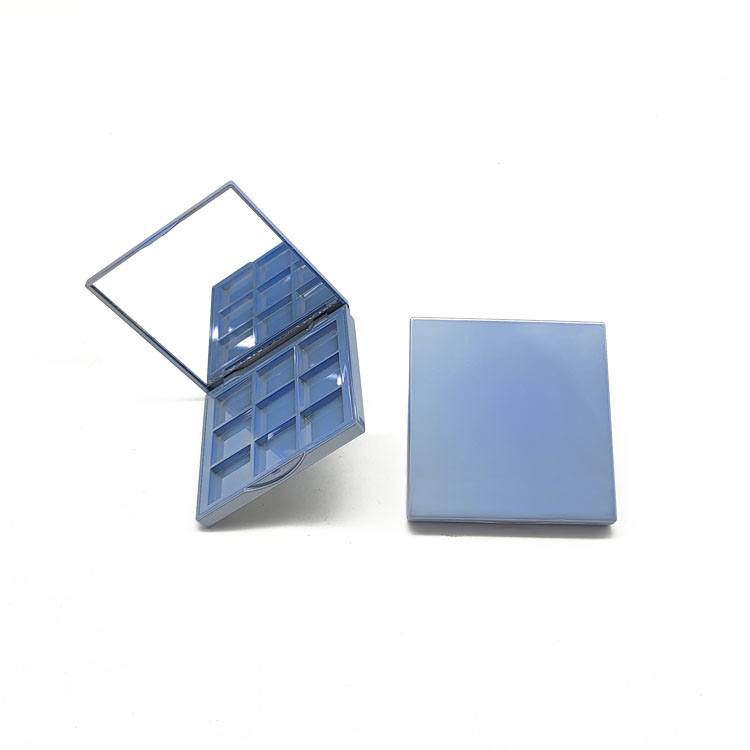
That shift is exactly why the eyeshadow palette kit keeps pulling in more attention. Unlike a single standalone eyeshadow, a palette kit bundles several related shades and accessories into one package. Depending on the design, it might toss in a mirror, an applicator, or other handy extras. That gives users a way to organize a bunch of makeup choices without hauling around every item separately.
For consumers, the appeal is pretty straightforward. One case delivers several color options suited to different occasions throughout the day. Someone getting ready for work might want a softer look, while that exact same palette can pivot toward something more expressive later that evening. The product doesn't have to lock itself into just one makeup style.
For manufacturers, suppliers, and beauty product buyers, that raises a bigger question worth sitting with. An eyeshadow palette kit's value no longer hinges purely on how good the colors look sitting side by side. Its practicality, organization, packaging, and relationship with everyday routines all shape how the product gets developed and eventually selected.
Why Is the Eyeshadow Palette Kit Receiving More Attention?
Convenience has climbed into a genuinely important spot in beauty product selection.
Consumers often juggle a pile of small products to keep organized, especially once different colors or makeup styles enter the picture. Separate eyeshadow cases offer plenty of flexibility, sure, but they also clutter up a makeup bag fast and make picking a color a lot less convenient than it should be.
An eyeshadow palette offers a different way to organize all that. Several shades sit together in one case, letting users scan through different options without digging through a pile of separate products. Arrange those colors clearly, and users find it a lot easier to think through possible combinations too.
The appeal here isn't really about cramming in more colors, either. A huge collection doesn't automatically translate into a better user experience. What actually matters is whether the selected shades have a genuinely practical relationship with each other, and whether the overall arrangement makes sense for whoever's actually going to use it.
That's reshaping how suppliers think about product development too. Rather than treating a palette as some simple container holding a bunch of shades, manufacturers can think through how the complete product fits into daily use. The case, color arrangement, accessories, and packaging all feed into that experience together.
How Can an Eyeshadow Palette Kit Make Everyday Makeup More Convenient?
The core practical advantage of a palette kit comes down to organization, plain and simple.
Keep several related products stored separately, and users have to decide which items to grab and where to stash them every single time. A palette pulls those choices into one place, making the whole routine a lot more straightforward.
That pays off across plenty of different situations. Someone rushing to get ready for work wants quick access to familiar colors without hunting around. Someone traveling would rather carry one organized palette than juggle several individual cases. Someone who loves experimenting with makeup appreciates having several shades on hand without cracking open a dozen separate products.
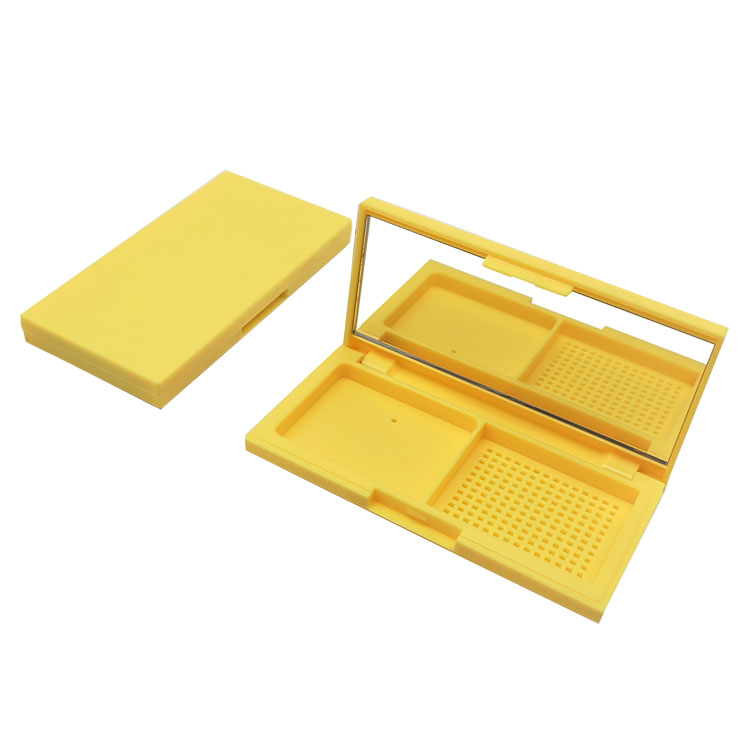
Accessories add another layer of convenience too, as long as they actually serve a clear purpose. A mirror helps out with application when there's no other mirror around. An applicator cuts down on needing to pack a separate tool altogether. Additions like these make a palette feel genuinely complete once they're woven naturally into the design.
| Product Element | Practical Role |
| Multiple Eyeshadow Shades | Gives users several color choices in one place |
| Organized Inner Layout | Makes shade selection easier |
| Mirror | Supports makeup application in different settings |
| Applicator | Reduces the need for a separate makeup tool |
| Compact Case Design | Helps keep related products together |
| Coordinated Packaging | Makes the product easier to understand and present |
The practical value therefore comes from how these elements work together. A palette with many components may still feel inconvenient if the layout is difficult to understand. A simpler design can sometimes provide a smoother experience when each part has a clear role.
What Role Does Design Play in an Eyeshadow Palette Kit?
Product design ties tightly into everyday usability, more than people sometimes assume.
The outer case might grab attention on a shelf, sure, but the internal arrangement decides how easily users actually interact with the product day to day. A clear layout makes shades easier to spot and helps users understand how different colors might work together in practice.
Color arrangement matters a lot here. Position similar or complementary shades in a logical sequence, and users find it a lot easier to build different looks from the same palette. That also makes the whole thing more approachable for anyone without a ton of makeup experience under their belt.
The case itself shapes how the palette actually gets carried and stored, too. A design built for regular travel needs to prioritize convenient handling above all else, while a palette meant mostly for home use has more room to lean into presentation and organization instead. The intended scenario ends up steering the whole design direction from the start.
Packaging plays its own role well before the product's even opened, too. Buyers form that initial impression straight off the case and outer package. Clear presentation communicates the product concept without leaning on exaggerated claims to sell itself. For suppliers and retailers, that turns packaging into part of the wider product experience, rather than just some outer layer slapped on at the end.
Can an Eyeshadow Palette Kit Support Different Makeup Styles?
Color variety remains an important reason consumers choose eyeshadow palettes, but variety is more useful when the shades can work together. A palette can give users several options within one product, allowing them to change their makeup according to their mood, clothing, occasion, or personal preference.
A palette with a coordinated group of shades may support more than one type of look. Softer colors can be used for everyday makeup, while deeper or more expressive shades may provide another option. This gives users flexibility without requiring them to purchase a completely separate product for every occasion.
Different customer groups may also have different expectations. Some consumers may prefer neutral shades that can be used regularly. Others may want more noticeable colors or a wider range of combinations. Some buyers may care strongly about portability, while others may place greater value on packaging and presentation.
This creates opportunities for suppliers to develop different palette concepts instead of relying on a single product style. A kit designed around everyday use may have a different purpose from one designed for creative makeup. The important point is that the product should have a clear relationship between its color selection and intended user.
Why Does Portability Matter for Modern Beauty Products?
Beauty products are often used in more than one location. A consumer may apply makeup at home, take products to work, prepare for an event, or pack them for travel. This makes portability relevant to the way an eyeshadow palette is designed and selected.
Keeping several shades together can simplify this process. Instead of choosing several individual cases before leaving home, users can take one palette and have multiple options available. This can also make storage easier because related colors remain in the same place.
However, portability should not be treated as simply making a product smaller. A case needs enough space for users to see and access the shades comfortably. If everything is packed too closely together, the product may become harder to use. A balance between carrying convenience and everyday usability is therefore important.
Different usage scenarios can lead to different design choices. A travel-focused kit may emphasize easy storage and handling. A home-use product may allow more room for color presentation. A gift-oriented palette may place more attention on appearance and packaging. Understanding the intended situation can help buyers choose a product that fits their customers.
What Should Buyers Consider When Choosing an Eyeshadow Palette Kit?
For buyers, visual appeal is only one part of product evaluation. An attractive palette may catch attention, but its practical value depends on how well its different elements work together. Buyers may therefore need to consider the intended customer, usage situation, packaging, and overall organization.
Several areas can help create a clearer purchasing framework:
- Shade Selection
Buyers can consider whether the shades have a natural relationship with one another. A coordinated selection can give users more opportunities to create different looks without making the palette difficult to understand. - Internal Organization
The arrangement of colors and accessories can influence the daily experience. A clear layout allows users to identify the available options more easily and may reduce unnecessary searching. - Portability and Storage
Buyers can think about where customers are likely to use the product. A palette intended for handbags or travel may need a different approach from one mainly kept at home. - Useful Accessories
Mirrors and applicators can add practical value when they support the intended routine. Buyers should consider whether these elements are genuinely useful rather than simply decorative additions. - Packaging Presentation
Packaging can influence how a product is introduced to customers. Clear visual communication can help buyers understand the product concept and can also support retail presentation. - Target Customer
Different users may have different expectations. A palette for everyday makeup may require a different color concept from a kit aimed at more expressive makeup styles. - Overall User Experience
The colors, case, accessories, and packaging should feel like parts of one product. When these elements support one another, the palette can be easier for customers to understand and use.
For B2B buyers, these points can also help when communicating with suppliers. Instead of discussing only colors or appearance, buyers can explain the intended market and expected usage. This may make product discussions more focused and reduce confusion during development.
How Can Suppliers Respond to Changing Expectations?
The growing interest in practical beauty products gives suppliers an opportunity to look at eyeshadow palette kits from a wider perspective. Product development can involve more than selecting shades. The relationship between color arrangement, case design, packaging, and accessories can all influence the final product.
Clear communication is especially important in B2B purchasing. Retailers and beauty businesses may want to understand who a product is intended for, how it is designed to be used, and what makes its overall structure suitable for that audience. Straightforward product information can make those discussions easier.
Customization can also become relevant when different markets have different preferences. Buyers may have their own ideas about color combinations, case appearance, packaging style, or included accessories. A supplier that can discuss these areas clearly may be better positioned to develop a product that matches a specific market concept.
At the same time, adding more features should not become the main goal. A product can become less practical when too many elements are introduced without a clear purpose. The stronger focus is on whether each part contributes to a simple and understandable user experience.
Could Practical Design Shape the Future of Eyeshadow Palette Kits?
The eyeshadow palette brings together several aspects of modern beauty consumption. It combines color choice with organization, portability, presentation, and daily convenience. This gives the product category room to develop beyond the traditional idea of simply placing multiple shades in one case.
Consumer preferences are unlikely to remain identical across all markets. Some users may continue to prefer simple palettes for everyday makeup, while others may look for more flexible color combinations. There can also be demand for products designed around travel, gifting, personal collections, or specific makeup routines.
This variety may encourage manufacturers and suppliers to pay closer attention to user scenarios. A palette can be designed around how it will actually be carried, opened, stored, and used. Packaging can support the same concept by making the product easier to understand before purchase.
The practical side of eyeshadow palette kit design is therefore becoming an important part of the product discussion. Color remains central, but it is no longer the only consideration. When shade selection, organization, packaging, portability, and accessories are planned as connected elements, the palette can fit more naturally into the way consumers use beauty products today.