
 LANGUAGE
 English
 中文简体
 Español
 日本語
Cosmetic palettes have earned a solid place in the beauty industry simply by packing multiple makeup colors or products into one convenient package. They make daily makeup routines a lot easier, support professional makeup services, and give beauty brands more room to play with product development. The terms eyeshadow palette and makeup palette, though, don't always point to the same type of product, even though they get used almost interchangeably sometimes.
An eyeshadow palette is generally built around eye makeup specifically. Its shades get picked to help users create different eye looks, running from natural daily styles all the way to more expressive, dramatic makeup. A makeup palette carries a broader meaning entirely. Depending on how it's designed, it might contain eyeshadow, blush, face powder, highlighter, contour colors, or some combination of several cosmetic products at once.
For consumers, this difference shapes how a palette actually fits into a makeup routine. For beauty brands, retailers, and cosmetic product buyers, it can influence product planning, packaging, positioning, and even supplier selection down the line. Getting a handle on these differences helps buyers choose a product that genuinely matches their intended market, rather than leaning on the product name alone and hoping it works out.
1. What Is an Eyeshadow Palette?
An eyeshadow palette is a cosmetic product built mainly for applying color to the eyelids and the surrounding eye area. It usually holds several eyeshadow shades arranged together in one case. Those colors might belong to a tightly coordinated family, or they might offer a wider range of options meant for different makeup styles entirely.
The main job of an eyeshadow palette is supporting eye makeup, plain and simple. Users can sweep on a lighter shade as a base, use a deeper color to add real definition, or layer several shades together for a more complex look. Exactly how someone uses it comes down to personal preference, the look they're chasing, and the palette's own color selection.

Eyeshadow palettes might lean into neutral colors, warm tones, cool shades, bright colors, or some mix of different color groups entirely. Some are built for simple everyday makeup, while others offer shades suited to creative looks, special occasions, or professional makeup work. How the colors get arranged inside the case shapes how easily users actually understand and combine them in practice.
The case itself is part of the whole product experience too. Some eyeshadow palettes stay compact and easy to toss in a bag, while others pack in more shades using a larger layout. A clear arrangement helps users spot individual colors fast. The outer design can also reflect a brand's visual style and the customer group it's actually chasing.
For manufacturers, an eyeshadow palette demands attention to both the cosmetic contents and the case holding them together. Buyers often discuss shade arrangement, product presentation, case design, and packaging directly with a supplier. These details help pin down the product's actual purpose and how it'll get presented to customers once it hits shelves.
2. What Is a Makeup Palette?
A makeup palette covers a much broader category of cosmetic product. It might contain one type of makeup across several colors, or it might combine entirely different cosmetic products within a single case. Unlike an eyeshadow palette, which stays locked onto eye makeup, a makeup palette can support several parts of the face at once.
Some makeup palettes contain products for complexion makeup, things like blush, contour colors, or highlighter. Others blend eyeshadow together with face products to create a more varied collection altogether. What exactly goes in really comes down to the product concept and who it's actually meant for.
This wider scope makes makeup palettes a natural fit for different retail and professional applications. A consumer might prefer a multi-product palette simply because it brings several items together under one lid. A makeup artist might choose a palette that supports different stages of the makeup application process. A beauty brand might build a palette around a particular collection, color theme, or customer need they've identified.
The term itself doesn't describe one fixed product format, worth noting. A makeup palette might stay small and simple, or it might carry several sections for different cosmetic products entirely. Some get designed for personal use, while others target professional makeup kits or gift collections instead.
That's exactly why buyers should look past the name when evaluating a makeup palette. The actual contents, intended use, product layout, and packaging give a much clearer picture of what the item really offers. When working with a manufacturer, a detailed product brief goes a long way toward preventing confusion about what the finished palette should actually include.
3. How Do Eyeshadow Palettes and Makeup Palettes Differ in Product Contents?
The main difference really boils down to the types of cosmetic products included inside. An eyeshadow palette stays focused on eye color, while a makeup palette can cover a much wider range of makeup needs at once.
| Comparison | Eyeshadow Palette | Makeup Palette |
|---|---|---|
| Main purpose | Eye makeup | One or more makeup applications |
| Common contents | Eyeshadow shades | Eyeshadow, blush, highlighter, contour colors, or other makeup products |
| Color arrangement | Usually organized around eye looks | May group products by face area, color theme, or makeup routine |
| Typical use | Daily eye makeup, creative looks, professional eye makeup | Personal makeup, multi-step looks, professional use, gift sets |
| Product layout | Sections or pans mainly for eyeshadow | Layout varies according to the included products |
| Development focus | Shade selection and eye makeup use | Product combination, layout, and overall makeup purpose |
An eyeshadow palette might include a range of finishes or shades, sure, but its main role stays anchored on the eyes throughout. A makeup palette can offer a lot more variety in terms of product type instead. A single case might combine eye colors with blush or highlighting products, for instance, letting users work on more than one area of the face from the same product.
This difference doesn't mean every makeup palette automatically contains several types of cosmetics, to be clear. Some makeup palettes still focus on a single category, and some product names get used pretty loosely in retail settings. The actual product contents should guide the comparison, not the label slapped on the box.
For buyers, clear product definitions matter a lot during sourcing. A buyer hunting for an eyeshadow-only product has different requirements than one developing a palette that blends eye and face makeup together. Confirming the contents early helps both parties align on case layout, product arrangement, packaging, and the final product description.
4. How Do Their Uses Differ in Daily Makeup and Professional Beauty Work?
Eyeshadow palettes earn their keep when the main goal is creating different eye looks, full stop. Consumers reach for them for daily makeup, evening styles, celebrations, or just creative experimenting on a lazy Sunday. A palette with coordinated shades helps users build several looks without buying a pile of separate eyeshadow products one at a time.
Professional makeup artists lean on eyeshadow palettes too when prepping clients for weddings, photography, performances, and other occasions. The shade selection can get matched to the client's preferences, clothing, lighting, and overall makeup style for the day. A palette built around eye makeup lets the artist focus purely on color placement and blending in that one area without distraction.
Makeup palettes support a wider routine instead. A palette combining eyeshadow with face products lets users coordinate colors across the eyes and cheeks in one go. That's convenient for consumers who want a collection of related products sitting together in one case. It also helps makeup artists organize selected products for particular services without juggling separate kits.
How useful each format turns out to be really depends on the user in question. Someone mainly wanting to experiment with eye color probably prefers an eyeshadow palette with a focused range of shades. Someone chasing a more varied product collection probably prefers a makeup palette blending different cosmetic categories together instead.
Beauty retailers can organize their product ranges around these same differences too. Eyeshadow palettes might get displayed by color family, finish, or eye makeup style. Broader makeup palettes might get grouped by product combination, intended use, or overall collection theme instead. Clear categorization like this helps shoppers understand exactly what they're buying before they commit.
5. How Does Packaging Differ Between Eyeshadow Palettes and Makeup Palettes?
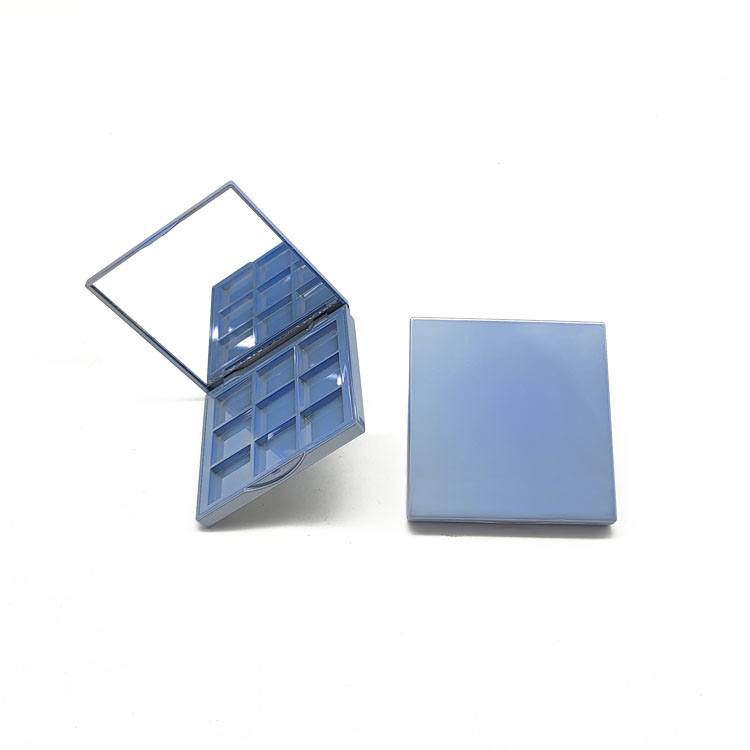
Packaging needs tie directly back to what's actually inside the palette. An eyeshadow palette generally uses a layout built to accommodate multiple eyeshadow sections side by side. The arrangement often emphasizes shade visibility and convenient access, letting users compare colors and pick out exactly what they need without digging around.
A makeup palette, on the other hand, often needs a more varied internal structure altogether. If it contains several types of cosmetics, the case needs to accommodate those different product sections clearly and practically. The arrangement should make it easy to identify each product and understand how it fits into the broader makeup routine.
Size and shape of the case can shift a lot too. A compact eyeshadow palette might get built for daily carrying, while a larger palette offers more room for a wider shade selection. A makeup palette juggling several product categories might need additional space or a totally different internal arrangement altogether. The final design really comes down to the intended contents and whatever user experience the brand is trying to create.
Exterior appearance matters for both product types, worth noting. A simple case suits a practical everyday product just fine, while a decorative design fits a gift collection or a particular brand identity better. Materials, surface finishes, printed elements, and opening methods can all shape the product's overall presentation on the shelf.
When buyers work with a makeup palette manufacturer , they should explain exactly what the case needs to hold before diving into the final design. For an eyeshadow palette, the focus usually lands on shade arrangement and access. For a broader makeup palette, the buyer also needs to think through the relationship between different product sections, the available space, and the overall layout holding everything together.
6. Which Palette Is More Suitable for Beauty Brands and Retailers?
The right choice really comes down to the target customer and the role the product needs to play within a brand's range. Eyeshadow palettes offer a focused product concept that's easy to build a story around. They can get organized around particular color families, makeup styles, or customer preferences, which makes them a solid fit for brands wanting to develop a distinct eye makeup collection.
A brand might choose an eyeshadow palette when its customers are drawn to experimenting with eye color or building different looks from one product. The palette can get positioned for daily use, special occasions, or professional makeup depending on the brand's angle. Its shade selection and packaging help communicate that purpose clearly to shoppers.
Makeup palettes offer a lot more room for product combinations instead. A brand might combine selected cosmetic categories in one package or build a collection around a specific makeup routine entirely. This format appeals to customers who prefer keeping several products together under one lid. It also opens up flexibility when developing gift collections or coordinated cosmetic sets for a season.
Retailers should think through how each product fits their existing assortment before stocking it. A focused eyeshadow palette might complement other eye makeup products already on the shelf, while a multi-product palette might sit comfortably within a broader makeup collection instead. Product descriptions, display materials, and online categories should all accurately explain the contents, not just gesture vaguely at them.
Wholesale buyers should also think through storage, packaging, order planning, and the range of products they actually need to offer their own customers. An eyeshadow-only product and a mixed makeup palette often require different product information and packaging arrangements. Communicating the intended sales channel and customer group clearly helps suppliers understand these needs upfront.
Neither format is automatically the right call for every brand out there. The decision should reflect the product concept, customer expectations, available development options, and how the product will actually get sold once it's ready.
7. What Should Buyers Consider When Developing a Custom Makeup Palette?
Custom development really starts with a clear product brief, not a vague idea sketched on a napkin. Buyers should pin down whether they need an eyeshadow palette or a broader makeup palette first. That decision ripples into the contents, internal layout, packaging design, and whatever information the manufacturer needs to move forward.
Defining the product contents comes first. Buyers should list out the cosmetic categories they want included. If it's an eyeshadow palette, the conversation can center on shade selection and arrangement. If it's a makeup palette, the brief needs to identify each product category and how those sections should be organized relative to each other.
Identifying the intended user matters just as much. A palette for everyday consumers carries different design priorities than one aimed at professional makeup artists or beauty training programs. Buyers should explain how customers are expected to actually use the product and which features matter most for that use case.
Planning the case and internal layout comes next. The case needs to match the contents and support convenient access throughout. Buyers can discuss the arrangement of sections, exterior appearance, portability, and packaging needs together. The design really deserves consideration alongside the planned cosmetic contents, not as some separate decision made in isolation.
Discussing branding and presentation rounds out the conversation. Customization might include printed logos, exterior colors, visual themes, and outer packaging, depending on what the supplier can actually offer. Buyers should hand over clear brand assets and confirm exactly which elements can be customized before assuming anything.
Confirming product information matters too, right down to the fine print. The product name, description, contents, and intended use should all match the actual item that ships out. Accurate information supports retail communication and helps customers understand exactly what the palette contains before they buy it. Buyers should also confirm any applicable product and labeling requirements for their target market.
These conversations prove useful for both new product development and private-label projects alike. A clear brief gives the manufacturer a practical starting point and helps buyers double-check whether the proposed design actually matches their commercial needs.
8. How Can Buyers Choose an Eyeshadow Palette or Makeup Palette Manufacturer?
Choosing a manufacturer takes more than just scrolling through product images and picking whatever looks nice. Buyers should look for a supplier who genuinely understands the intended product type and can communicate clearly about development, packaging, customization, and order requirements from the start.
A sensible starting point is reviewing the manufacturer's relevant product experience. Buyers can ask whether the company develops eyeshadow palettes, multi-product makeup palettes, or handles both comfortably. This helps establish whether the supplier's capabilities actually line up with the project at hand.
Communication matters a lot here too. Buyers should be able to explain the planned contents, color direction, case style, target users, and packaging preferences clearly. The manufacturer, in turn, should clarify available options and flag any details needing further discussion before moving ahead. Clear communication like this cuts down on misunderstandings during product development considerably.
Buyers should also ask how samples get reviewed and how changes get handled along the way. A sample lets both parties assess the appearance, layout, and overall suitability of the proposed product before committing further resources. Any agreed adjustments should get clearly recorded so the final product actually follows the confirmed design, not some earlier draft.
For a custom project, it's worth discussing the scope of service upfront. Some buyers need support with case design and packaging from scratch, while others already walk in with a defined product concept ready to go. Understanding which services the manufacturer actually provides helps buyers figure out how responsibilities get divided between the two sides.
The product category should stay clear throughout the entire sourcing process. An eyeshadow palette centers on eye makeup, while a makeup palette might contain a broader combination of cosmetics entirely. Buyers who nail down this distinction early can communicate their requirements a lot more clearly, compare relevant suppliers fairly, and develop a product that genuinely matches their intended market.