
 LANGUAGE
 English
 中文简体
 Español
 日本語
A makeup palette is more than a container for several beauty products. Its shape, layout, materials, colors, and overall appearance can influence how the product is presented and used. For brands and product developers, this makes palette production closely connected with both product design and packaging.
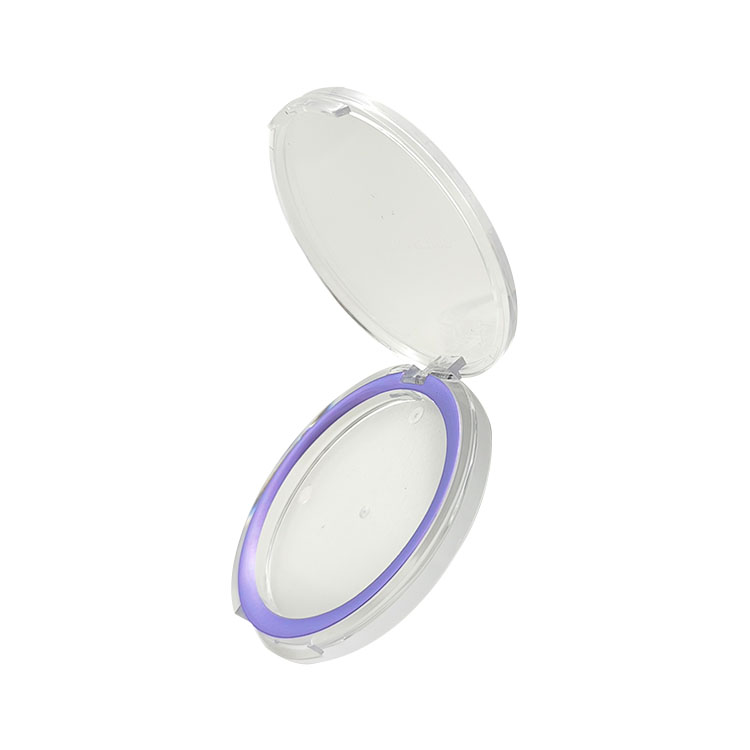
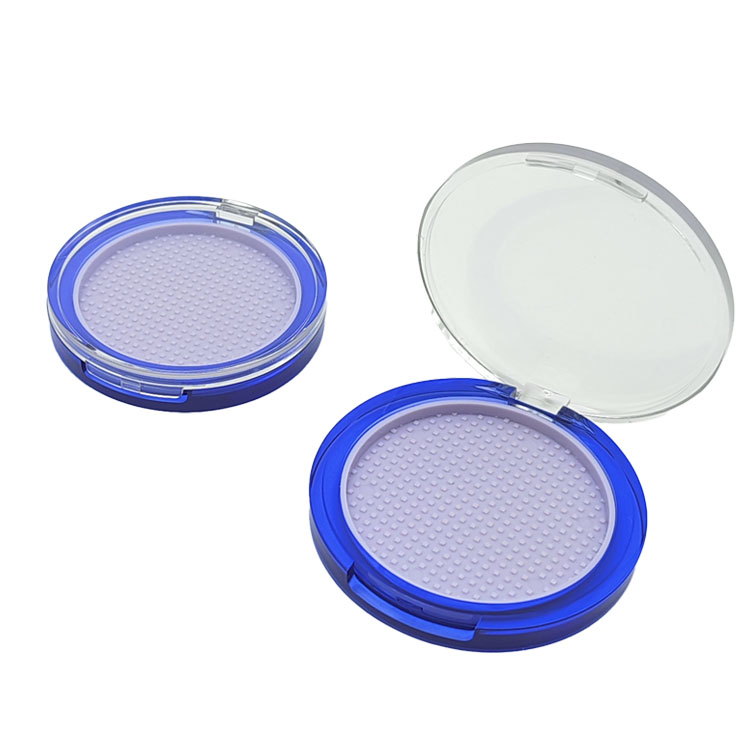
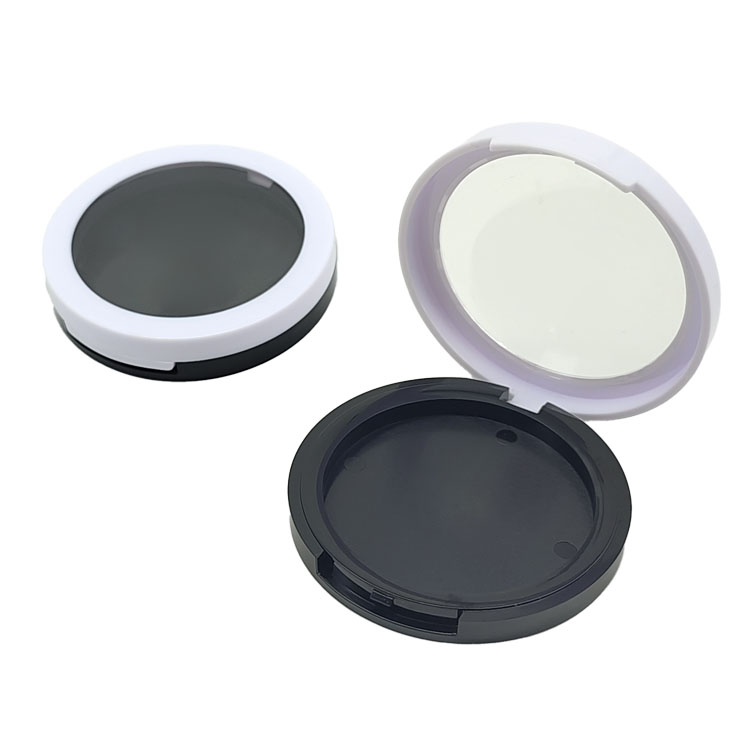
Makeup Palette Factory can work with different types of palette products. Some are designed for eye makeup. Others are made for face products, lip colors, or combined makeup collections. A factory may also produce empty palettes that are later filled by another company.

The range can change according to the product concept. A compact palette may be designed for everyday use, while a larger palette may be created around a wider color collection. Some products focus on portability. Others give more attention to presentation and organization.
This variety means that choosing a palette manufacturer is not simply about finding a place that can make one standard product. The factory may need to understand the intended use, internal layout, outer appearance, packaging needs, and the way different components work together.
For buyers, knowing what a Makeup Palette Factory can produce can make product planning more straightforward.
What Types of Makeup Palettes Can a Makeup Palette Factory Produce?
The familiar product is the eyeshadow palette. It can contain a group of shades arranged inside one case. The layout may be simple or more creative, depending on the product concept.
An eyeshadow palette can be designed for a particular makeup style, color family, or customer group. The outer case may also be developed to match the visual identity of the product.
A factory can also produce face palettes. These may be designed around products used on different areas of the face. A single palette can make it easier to organize several related products in one package.
Lip palettes are another category. They can hold several lip colors within one compact format. This type of product can be useful when a collection is intended to offer multiple color choices without using separate containers.
There are also combination palettes. These can bring different types of makeup products together in one package. The purpose is to create a more complete product while keeping the components organized.
| Palette type | Common product focus |
| Eyeshadow palette | Eye makeup colors |
| Face palette | Face makeup products |
| Lip palette | Lip colors |
| Blush palette | Blush and related face colors |
| Highlighter palette | Highlighting products |
| Contour palette | Contour and face-shaping products |
| Combination palette | Several makeup categories |
| Empty palette | Refillable or custom product layouts |
The important point is that a palette factory does not necessarily produce only one type of makeup case. Its production range can cover different product concepts, depending on the factory's capabilities and the needs of the buyer.
How Can a Makeup Palette Factory Produce Different Eyeshadow Palettes?
Eyeshadow palettes can vary greatly in appearance. A small palette may focus on a simple collection of shades. A larger design can provide more room for different color groups.
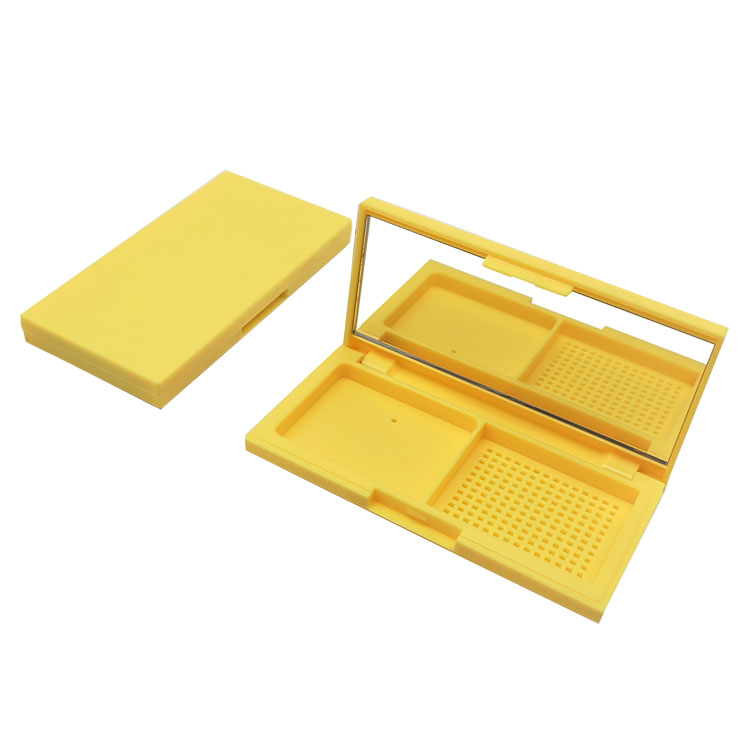
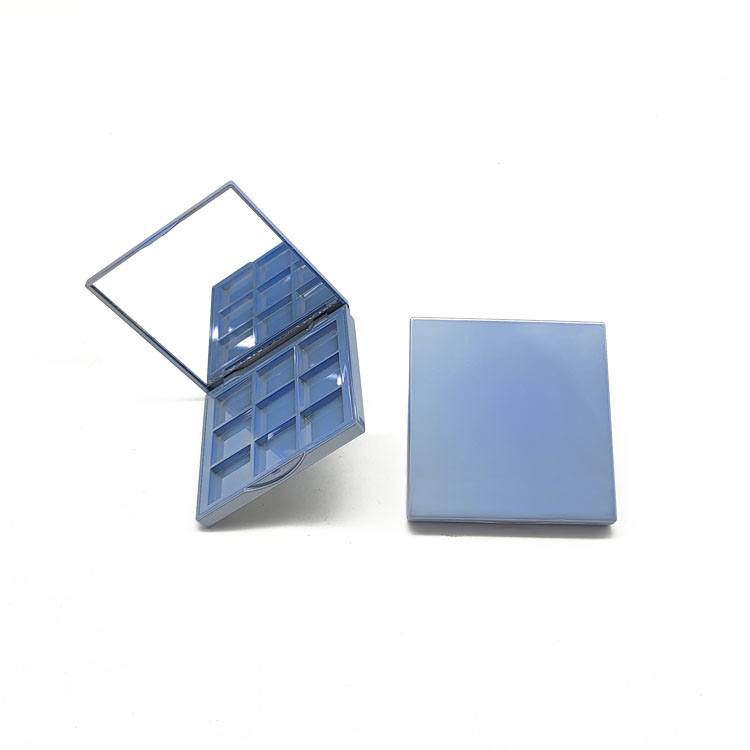
The internal arrangement is one of the details that can change. The pans or product sections can be organized in rows, blocks, or other layouts. The outer case can also be developed in different shapes.
A Makeup Palette Factory may produce palettes with a mirror, applicator space, or other supporting elements. Some designs focus on portability, while others are created to provide more space for a larger collection.
The outside of the palette can also be customized. A simple surface may suit a clean product concept. Printed artwork, patterns, textures, or decorative elements can create a different visual direction.
For a brand developing a new eyeshadow collection, these choices can affect the overall presentation of the product.
The palette is often the part that customers see before using the makeup itself. Its appearance can therefore become part of the product experience.
This is why palette production involves more than simply creating a container. The case, internal arrangement, closure, and visual presentation all need to work together.
Can a Makeup Palette Factory Produce Face and Blush Palettes?
Yes. Face palettes can be designed around different product combinations.
A blush palette may contain several shades intended for different makeup looks. A highlighter palette can use a similar multi-section format. Contour products can also be arranged inside a single case.
The layout needs to match the products being placed inside. A palette intended for several colors may need a different internal arrangement from one designed around fewer sections.
Face palettes also provide opportunities for product organization. Instead of using several separate cases, related products can be placed together.
This can make the product easier to store and carry. It can also create a more unified appearance on a retail shelf or product page.
A Makeup Palette Factory may work on the empty case, the internal structure, or a more complete product package, depending on the production arrangement.
For buyers, it is useful to define the intended product type before discussing production. A face palette, for example, may have different design requirements from an eyeshadow palette.
The product concept should guide the case design rather than the other way around.
What Other Makeup Products Can Be Made in Palette Form?
The palette format is not limited to eyeshadow, blush, and contour products.
Lip products can also be arranged into palettes. A lip palette can bring several colors together in one case. This can be useful for makeup users who want different options without carrying several individual products.
Some palettes can combine several categories. An example may include eye colors together with face colors. Another may focus on a coordinated collection built around a particular makeup concept.
There are also professional-oriented palettes designed around variety. Makeup artists and other users may need access to multiple colors in one organized case.
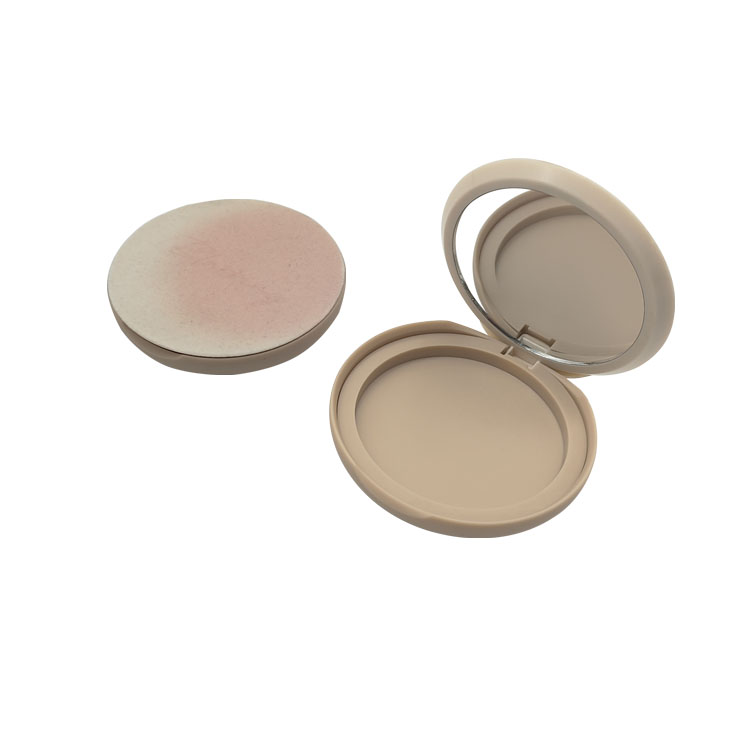
Empty palettes create another product category. These products do not necessarily contain finished makeup. Instead, they provide a case that can be filled with selected products later.
This gives buyers more freedom over the final arrangement.
An empty palette may be used for custom color collections, refillable products, sample sets, or other applications where the internal contents can change.
The variety of palette formats shows why the term "makeup palette" can cover many different product concepts.
How Does a Makeup Palette Factory Handle Custom Palette Design?
Customization can affect many parts of a palette.
The outer shape is one consideration. A traditional rectangular case may provide a familiar layout, while a different shape can create a more distinctive product appearance.
The internal arrangement is another area. The number and placement of product sections can be planned around the makeup collection.
The closure can also be part of the design. A palette may need to open easily while remaining closed during storage and transport.
Materials and surface treatments can influence the appearance as well. A smooth surface can create a simple look. Other finishes can add texture or visual interest.
Color is another design choice. The outside of the palette can be matched with the overall product concept. Graphics and printed elements can also be incorporated into the package.
Customization may therefore involve several connected decisions:
- Case shape - The outer form should fit the product concept.
- Internal layout - Product sections need to fit the planned makeup collection.
- Closure design - The case should support the intended opening and closing experience.
- Surface appearance - The finish can influence how the palette looks and feels.
- Decoration - Logos, patterns, artwork, and other visual elements can be considered.
- Packaging - The outer packaging can be developed to work with the palette.
A Makeup Palette Factory can become involved in these choices at different stages. The exact process depends on the production model and the buyer's requirements.
Can a Makeup Palette Factory Produce Empty and Refillable Palettes?
Empty palettes are useful when the final makeup arrangement needs to remain flexible.
A buyer may want to select the colors separately or create different collections using the same type of case. In this situation, an empty palette provides a base for later customization.
Refillable designs can also support products where the contents may be replaced. Instead of treating the case as a single-use package, the design can allow parts of the product to be changed.
This can affect the internal structure. The product sections need to work with the way the makeup is expected to be inserted or replaced.
For brands, this type of design can create opportunities to offer different product combinations without creating a completely different outer package for every collection.
The palette case becomes a reusable part of the product concept.
This is also useful for buyers who want to develop several makeup collections around a shared packaging style. The outside can remain consistent while the internal arrangement changes.
The factory's role can include producing the case and preparing the internal structure according to the planned application.
What Packaging Products Can a Makeup Palette Factory Produce?
The palette itself is only part of the presentation.
A Makeup Palette Factory may also be involved in packaging components that support the finished product. These can include outer boxes, inserts, protective elements, and other packaging pieces.
Packaging needs to match the palette. A compact palette may require a compact outer package. A larger product may need more space for protection and presentation.
The visual relationship also matters. The outer package can use the same colors, artwork, and general design direction as the palette.
For a custom product, this creates a more consistent appearance from the outside package to the product case.
Packaging can also help organize the product during handling. An insert may keep the palette in place inside the box. Protective material may help separate the product from other packaging elements.
These details can become part of the overall product development process.
A buyer may therefore want to ask whether a Makeup Palette Factory can support only the palette case or also assist with related packaging requirements.
What Should Buyers Ask a Makeup Palette Factory Before Production?
The right questions can make product planning easier.
A buyer should understand what the factory can actually produce rather than assuming that every palette factory offers the same range of services.
Several questions can help:
Can the factory produce the type of palette required?
An eyeshadow palette, face palette, lip palette, and empty palette may have different production needs.
Can the internal layout be customized?
This matters when the product needs a specific arrangement rather than a standard case.
Can the outer appearance be customized?
Buyers may want different colors, artwork, textures, or other visual details.
Can packaging be developed with the palette?
A coordinated package can help create a consistent product presentation.
Can the factory support different product concepts?
A buyer planning several collections may want a production partner that can handle more than one palette style.
Can the factory produce empty or refillable designs?
This is important for products where the makeup contents may change over time.
These questions help connect the factory's production capabilities with the actual product plan.
A Makeup Palette Factory can potentially produce a wide range of products, from simple empty cases to customized eyeshadow palettes, face palettes, lip palettes, combination products, and related packaging.
The final choice depends on what the product needs to achieve.
For some buyers, the priority may be a compact eyeshadow case. For others, it may be a multi-product palette with a custom internal layout. Another buyer may need an empty case that can support different makeup collections.
The broader the product concept, the more important it becomes to consider the palette as a complete product system rather than a simple container.
The case, internal layout, closure, surface, decoration, contents, and packaging can all influence the final product. A factory that can work across these areas may give product developers more ways to shape a palette around their intended use.