
 LANGUAGE
 English
 中文简体
 Español
 日本語
Choosing an eye shadow supplier can look simple when the product itself seems familiar.
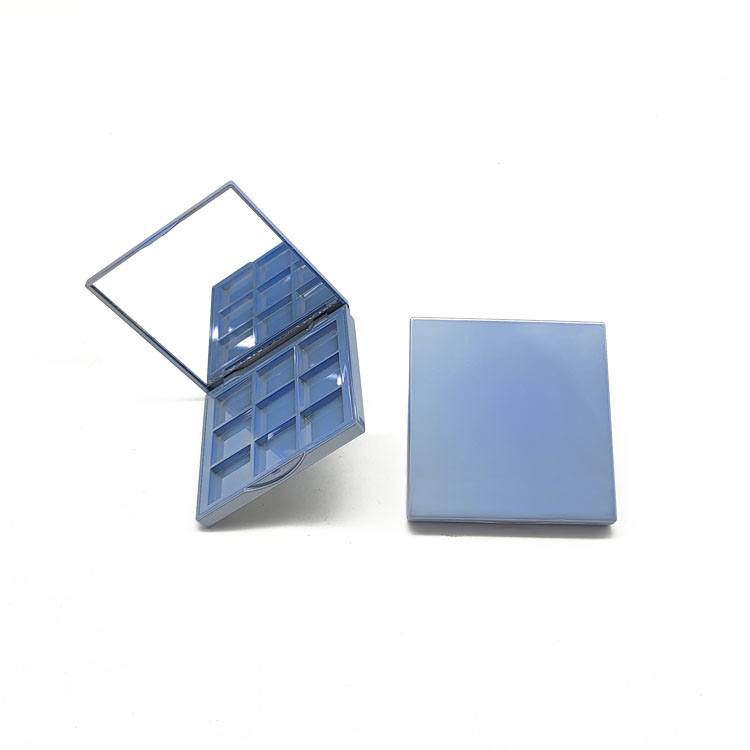
An eye shadow palette may contain several colors. A single product may have a compact case, a mirror, and a few shades arranged together. From the outside, the process can appear straightforward.
For buyers, however, supplier selection involves much more than looking at the finished appearance.
A supplier may be involved in formula development, color selection, packaging, production, inspection, and product customization. Each part can affect how smoothly a makeup project moves from an idea to a finished product.

This becomes more important when a brand wants to develop its own makeup collection. The buyer may need different colors, finishes, packaging styles, or product formats. The supplier needs to understand these requirements and communicate clearly throughout the process.
The relationship between a buyer and an eye shadow supplier is therefore not only about purchasing a product. It is also about how the supplier supports product development and production needs.
What Should Buyers Understand About Their Own Product Needs?
Before contacting an eye shadow supplier, buyers need to understand what they actually want to develop.
An eye shadow product can take many forms. It may be a single shade, a small palette, a larger color collection, or part of a wider makeup range. Different projects can require different approaches.
Some buyers may already have a clear product concept. They may know the desired colors, packaging style, target market, and overall appearance. Others may still be exploring ideas and need more support during development.
This difference matters when comparing suppliers.
A supplier that mainly provides standard products may have a different working process from one that supports customized development. Buyers should therefore consider the level of assistance they expect before making a decision.
Several questions can help define the project:
| Buyer Consideration | Why It Matters |
| Product format | Helps determine the type of supplier support required |
| Color collection | Influences product development and organization |
| Finish preferences | Helps communicate the desired visual effect |
| Packaging direction | Connects the product with its overall presentation |
| Customization needs | Shows how much development support may be needed |
| Target market | Can influence product positioning and design choices |
| Future product plans | Helps buyers consider longer-term cooperation |
Clear requirements can make communication easier.
They also help buyers compare suppliers based on relevant needs rather than simply comparing product images or catalog pages.
How Important Is Formula and Color Consistency?
Eye shadow is strongly connected with color and appearance.
A buyer may have a specific color concept in mind, but turning that concept into a finished product requires careful communication. The supplier needs to understand the expected color direction and maintain consistency during production.
Color consistency is particularly important when a product is sold as part of a collection. Several shades need to work together visually. If the appearance changes unexpectedly, the overall presentation of the product may also change.
The same idea applies to texture and finish.
Some eye shadows are designed to create a soft appearance. Others may have a more noticeable shine or a different visual effect. Buyers should explain these expectations clearly and ask how the supplier approaches product development.
A useful supplier should be able to discuss:
- Color development
How are requested shades reviewed and adjusted? - Texture preferences
Can the supplier work with different product textures? - Finish selection
Can the product be developed around different visual effects? - Product consistency
How does the supplier keep the finished product aligned with the approved version? - Sample communication
How are changes discussed when the sample does not match the buyer's expectations?
These questions can reveal how organized the supplier's development process is.
They also help prevent a common problem in product development: unclear expectations between the buyer and the production team.
What Role Does Customization Play in Supplier Selection?
Customization has become an important part of many private label and makeup development projects.
A buyer may want a particular palette arrangement, color combination, compact design, or product appearance. The supplier may need to coordinate several parts of the project to make the concept workable.
Not every supplier offers the same level of flexibility.
Some suppliers may focus on ready-made products. Others may provide more options for customized development. Neither approach is automatically suitable for every buyer. The important point is whether the supplier's capabilities match the project.
Customization can involve several areas.
| Customization Area | Buyer Questions |
| Color | Can the supplier develop shades based on the requested direction? |
| Texture | Can different product textures be discussed during development? |
| Palette | Can shades be arranged according to the product concept? |
| Packaging | Can the outer design support the intended product image? |
| Logo | Can the buyer's branding requirements be accommodated? |
| Product format | Can the supplier work with the planned makeup format? |
| Product collection | Can related products be developed under the same project? |
Buyers should also ask how changes are handled.
A flexible supplier is not simply one that says yes to every request. Clear communication is more useful. The supplier should be able to explain what can be adjusted, what may require additional development work, and which parts of the product need to remain compatible with the overall design.
This creates more realistic expectations on both sides.
Why Does Packaging Matter When Choosing an Eye Shadow Supplier?
Packaging is closely connected with the way an eye shadow product is presented.
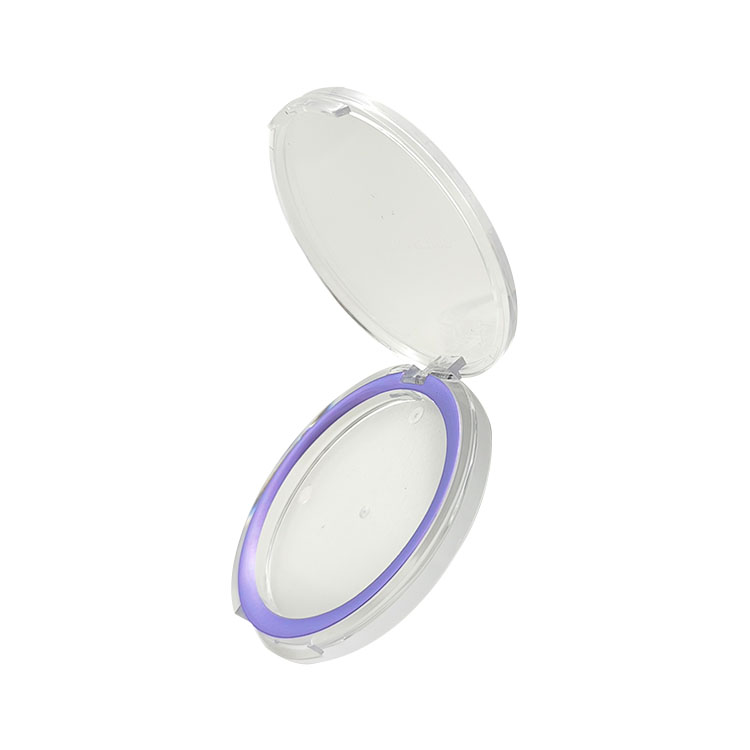
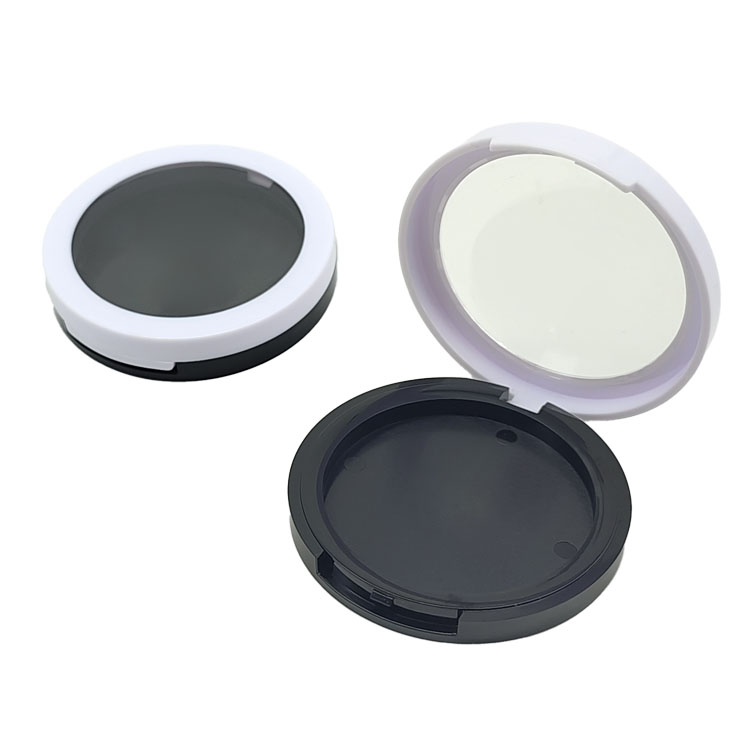
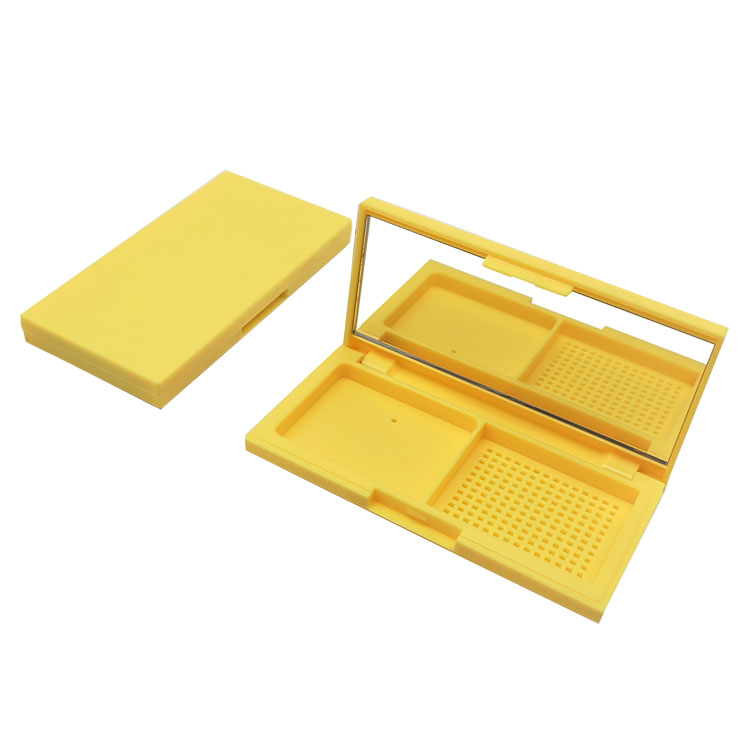
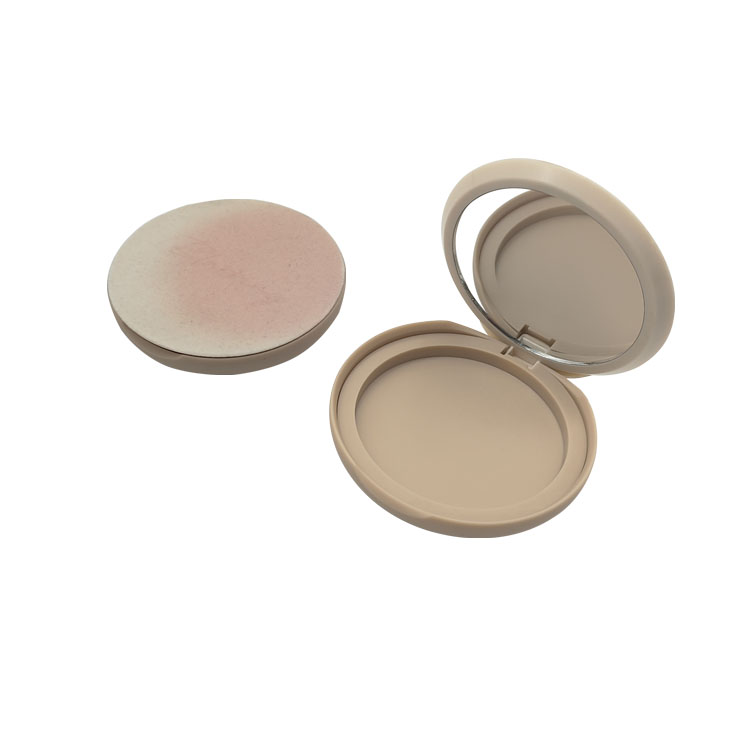
The same formula can appear very different when placed in different packaging. A compact case can create a particular visual impression. A palette can make several shades feel like one collection. A mirror, insert, or outer box can also influence how the product is handled and displayed.
For buyers, packaging should therefore be discussed together with the product rather than treated as a completely separate issue.
A supplier that understands both product and packaging requirements may make project communication easier.
Buyers can consider several areas:
- Compact design
- Palette layout
- Surface appearance
- Logo placement
- Outer packaging
- Product protection
- Storage and handling
- Overall visual consistency
Packaging customization can also influence production coordination.
If the buyer changes the palette layout, for example, other parts of the project may need to change as well. Product placement, labeling, outer packaging, and presentation may all be connected.
This is why buyers should ask how the supplier manages product and packaging coordination.
A supplier does not need to provide every possible packaging option. What matters is whether its available choices fit the buyer's product concept and whether communication remains clear during development.
How Can Buyers Evaluate Quality Control?
Quality control is another important part of supplier selection.
For eye shadow, buyers are not only concerned with how the product looks when it leaves the factory. They may also care about whether the finished products remain consistent across production.
This includes appearance, packaging, labeling, assembly, and other product details.
A clear inspection process can help identify problems before products move further through the supply chain. Buyers should therefore ask how the supplier checks finished products and how issues are handled.
It is useful to understand whether the supplier has a structured approach to:
- Incoming materials
Materials used during production should be checked according to the supplier's internal process. - Production stages
Problems may be easier to manage when checks are not limited to the final stage. - Finished products
The final product should be reviewed before shipment. - Packaging and labeling
Product presentation should match the agreed requirements. - Issue handling
Buyers should know how the supplier communicates when an unexpected problem appears.
Documentation can also matter.
Clear records can make communication easier when a buyer needs to review a product or discuss a change. This is particularly useful for buyers who plan to develop several related products with the same supplier.
The goal is not to make the purchasing process unnecessarily complicated. It is to create a clearer path between product requirements and finished goods.
How Does Communication Affect the Buyer-Supplier Relationship?
A supplier can have suitable production capabilities, but communication still plays an important role.
Eye shadow development often involves several decisions. Colors may change. Packaging ideas may be adjusted. Product samples may need review. Labels and other details may require confirmation.
Poor communication can make these steps more difficult.
Buyers should pay attention to how a supplier responds during early discussions. Does the supplier understand the product request? Does it explain available choices clearly? Does it identify potential problems before production? Can it provide understandable answers when the buyer has questions?
These details can reveal how the supplier handles cooperation.
A useful communication process often includes:
| Communication Point | What Buyers Can Check |
| Product discussion | Whether requirements are understood clearly |
| Sample review | How feedback and changes are handled |
| Packaging discussion | Whether product and packaging are coordinated |
| Production updates | Whether important changes are communicated |
| Quality issues | Whether problems are explained and addressed |
| Documentation | Whether product information is organized |
Language should also be considered.
International buyers may communicate with suppliers across different time zones and business cultures. Clear written communication can reduce misunderstandings.
For long-term cooperation, this can be just as important as the physical product.
What Should Buyers Know About OEM and Private Label Support?
Many makeup businesses do not manufacture every product themselves.
Instead, they work with suppliers that can develop products under the buyer's own brand or product concept. This is where OEM and private label support can become relevant.
However, these terms can cover different levels of cooperation.
A buyer may only need a standard eye shadow product with customized branding. Another buyer may want to develop colors, packaging, product combinations, and other details around a specific concept.
The supplier's role can therefore vary.
Before selecting a supplier, buyers should ask what type of cooperation is available and how much customization can be supported.
Important areas include:
- Product development
- Color customization
- Packaging customization
- Private label services
- Sample development
- Production coordination
- Product inspection
- Packaging coordination
- Order communication
Buyers should also consider whether the supplier can support future changes.
A small makeup project may later develop into a larger product collection. New colors may be introduced. Packaging may change. Related products may be added.
A supplier that understands the buyer's development process can make these changes easier to coordinate.
This does not mean buyers need to commit to a long-term relationship immediately. It means they can examine whether the supplier's working model fits the direction of the business.
How Can Buyers Compare Different Eye Shadow Suppliers?
Comparing suppliers only by product price can leave out many factors that affect the actual purchasing experience.
Two suppliers may offer similar eye shadow products while providing very different levels of customization, communication, packaging support, and quality management.
A broader comparison can give buyers a clearer picture.
| Selection Factor | Questions to Ask |
| Product range | Does the supplier offer formats suitable for the project? |
| Customization | What parts of the product can be adjusted? |
| Color development | How are requested shades discussed and reviewed? |
| Packaging | Can packaging requirements be coordinated with the product? |
| Quality control | How are products checked during production? |
| Communication | How does the supplier handle questions and feedback? |
| OEM support | Can the supplier work with the buyer's own product concept? |
| Private label | Can branding requirements be supported? |
| Product development | Can the supplier assist with new product ideas? |
| Future cooperation | Can the supplier support changes as the product line develops? |
Buyers can also request samples before making a larger purchasing decision.
Samples allow buyers to look at the actual product rather than relying only on descriptions or photographs. They can review the color, texture, packaging, appearance, and general product presentation.
The sample stage can also show how the supplier responds to feedback.
If changes are needed, the way those changes are discussed can provide useful information about the working relationship.
Supplier selection is therefore not simply about finding a company that can produce eye shadow. It involves finding a production partner whose product capabilities, customization approach, communication style, quality process, and packaging support fit the buyer's actual needs.
For buyers developing a new makeup product, these details can shape how smoothly the project moves from an initial idea to a finished eye shadow product.