
 LANGUAGE
 English
 中文简体
 Español
 日本語
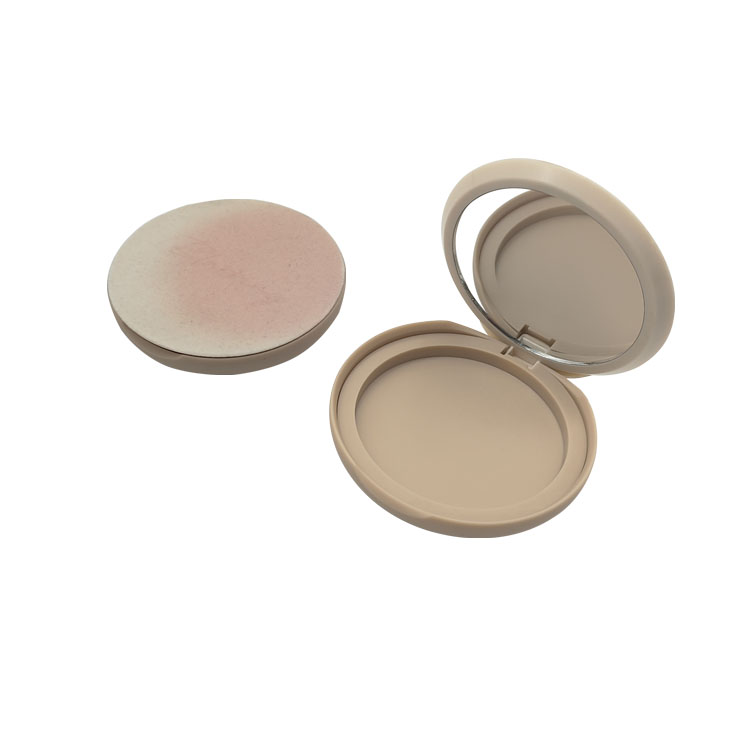
The development of an eye shadow product involves more than selecting a group of colors and placing them in a compact case. A product needs a clear idea, a suitable appearance, practical packaging, and an experience that makes sense for the people who will use it.
This is where an eye shadow factory can become part of the product development process.

A factory is often viewed mainly as a place where products are made. That view is becoming narrower as beauty businesses look for more flexible ways to develop makeup products. Manufacturers can contribute to packaging choices, product organization, customization, production planning, and practical design decisions.
The relationship can begin long before a finished eye shadow product reaches a store or online marketplace.
For beauty businesses, the important question is not simply whether a factory can produce eye shadow. It is where the manufacturer's experience can add value to the development process.
How Can an Eye Shadow Factory Help Turn an Idea Into a Product?
A makeup concept often starts with a simple idea.
It might be based on a color theme, a particular consumer group, a seasonal mood, or a preferred packaging style. Turning that idea into a physical product requires more decisions.
The palette needs a shape. The interior needs an arrangement. The case needs to open naturally. The packaging needs to support the intended visual identity.
Factory can participate in these decisions by helping connect the original concept with practical production possibilities.
This does not mean the manufacturer needs to control the creative direction.
The beauty business may already have a clear vision. The manufacturer's role can be to understand that vision and identify practical ways to bring it into production.
A simple development process can involve several stages:
Product concept
The business defines the intended product style and consumer group.
Design discussion
Packaging, layout, appearance, and usability are considered together.
Product development
The manufacturer helps translate the concept into a physical product.
Review and adjustment
The design can be examined from both visual and practical perspectives.
Production planning
The final product is prepared for manufacturing.
This connection can reduce the gap between a creative idea and a usable product.
Can Packaging Design Add Value to an Eye Shadow Product?
Packaging is often the part of a makeup product that consumers see first.
A palette may be displayed on a shelf, photographed for an online store, or carried in a makeup bag. Its appearance can influence how consumers perceive the product before they try it.
Factory can contribute to packaging development by supporting different shapes, layouts, surface appearances, and decorative approaches.
The goal is not simply to make packaging more complicated.
A simple palette can communicate a clean and practical style. A more decorative design can create a stronger visual identity. A compact form may suit people who carry makeup with them. A larger format may support a wider selection of shades.
Different designs can therefore serve different product concepts.
| Packaging Consideration | Potential Product Value |
|---|---|
| Exterior Appearance | Helps Create a Recognizable Visual Identity |
| Palette Shape | Can Influence Handling and Storage |
| Interior Layout | Makes Shades Easier to View and Organize |
| Opening Design | Supports Everyday Use |
| Decorative Details | Can Express a Particular Product Style |
| Compact Format | Can Suit Portable Makeup Routines |
| Custom Design | Helps Connect Packaging With a Specific Concept |
The factory's role is to help ensure that visual ideas remain practical.
A package may look attractive in a drawing, but the finished product needs to work in the hands of consumers. This makes manufacturing knowledge useful during the design stage.
Where Does Customization Create More Product Opportunities?
Customization has become an important part of beauty product development.
Consumers are surrounded by many makeup choices. A product with a clear visual identity can make it easier for a business to communicate what makes its concept different.
Customization can take many forms.
A business may want a particular palette shape. It may prefer a distinctive interior arrangement. It may want the case to reflect a certain visual theme. It may also want packaging that fits a specific product collection.
Factory can support these ideas by working with the business during product development.
This is particularly useful when a standard design does not fully match the intended product concept.
Customization can also create opportunities for different consumer groups.
A makeup product designed for everyday use may focus on simple organization. A creative makeup product may use a more expressive appearance. A travel-oriented palette may place greater attention on portability.
These products do not need to follow the same design approach.
Factory flexibility allows businesses to explore different directions without treating every product as a variation of the same basic model.
How Can an Eye Shadow Factory Support Product Organization?
The inside of a palette deserves as much attention as the outside.
Consumers need to see the shades clearly. They also need to understand how the colors relate to each other.
An organized layout can make the product easier to use.
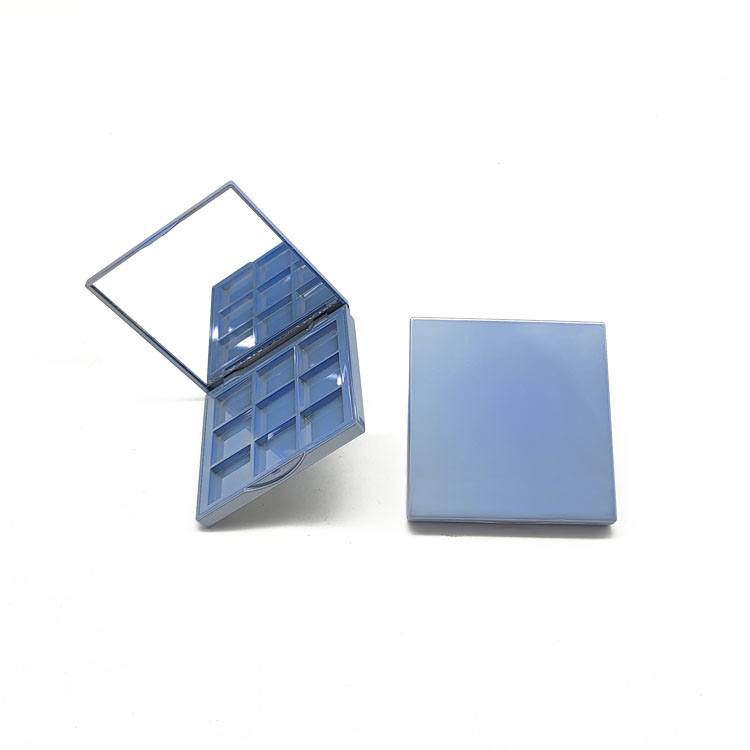
The placement of shades can create a visual flow. Similar colors may be grouped together. Contrasting colors can be positioned in a way that encourages experimentation. A mirror or other interior element can also affect how the user interacts with the palette.
These decisions influence the experience of using the product.
Factory can help translate these layout ideas into a practical interior structure.
This is particularly useful for customized palettes. The number and arrangement of shades may vary from one product concept to another. The interior needs to accommodate these differences while maintaining a coherent appearance.
The factory can also help identify practical issues during development.
For example, a layout may look balanced on a screen but feel crowded in a physical product. A mirror may need to be positioned differently to make the palette easier to use. A particular arrangement may affect how consumers access individual shades.
These details are easier to understand when the product is considered as a physical object.
Why Does Consumer Usability Matter During Factory Development?
A product can attract attention because of its appearance. It needs to remain useful after the purchase.
This makes usability an important part of product development.
Consumers may open their eye shadow palette at home, carry it in a bag, use it while traveling, or store it with other cosmetics. These ordinary situations can reveal whether the design works naturally.
A practical palette should be easy to understand.
The user should be able to open it without unnecessary effort. The shades should be visible. The case should feel comfortable to handle. The interior should support the way people normally apply makeup.
These expectations can influence factory design decisions.
Instead of treating usability as a final inspection point, manufacturers can consider it during development.
This approach can also help beauty businesses make more informed decisions.
A product may look attractive in promotional images. A physical sample can reveal whether the design actually provides the intended experience.
That is why communication between the beauty business and the factory matters.
Clear communication allows both sides to discuss what the consumer is expected to see, feel, and do when using the product.
Can an Eye Shadow Factory Help Businesses Adapt to Different Makeup Trends?
Beauty preferences change regularly.
Some consumers prefer natural-looking makeup. Others enjoy bold colors. Some are interested in compact everyday products, while others prefer larger palettes with more variety.
A single design approach cannot meet every preference.
This creates a need for flexibility.
Factory can add value by supporting different product directions. A manufacturer that understands varied packaging and product concepts may help businesses respond to changing consumer interests without rebuilding their entire development approach each time.
This does not mean every new trend needs to become a new product.
The more useful approach is to understand why consumers are interested in a particular style.
For example, a growing preference for simple makeup may create demand for products that are easy to understand and carry. Interest in creative makeup may encourage more expressive color arrangements and packaging.
The factory can support these product ideas through adaptable design and production planning.
This makes the manufacturer part of a larger conversation about consumer behavior.
How Does an Eye Shadow Factory Influence Product Positioning?
Product positioning begins with understanding who the product is for.
An eye shadow palette intended for daily use may need a different design from one aimed at creative makeup users. A product designed as a gift may place more attention on presentation. A travel-friendly product may emphasize convenience.
Packaging can communicate these differences before the product is opened.
Factory can help make that positioning visible through the physical design of the palette.
| Product Direction | Design Focus |
|---|---|
| Everyday Makeup | Simple Organization and Convenient Use |
| Creative Makeup | Expressive Appearance and Varied Layout |
| Travel Makeup | Compact Form and Easy Handling |
| Gift-Oriented Product | Presentation and Visual Appeal |
| Personalized Makeup | Customized Appearance and Product Identity |
This does not mean packaging alone determines consumer perception.
The colors, product description, marketing content, and overall brand communication also matter.
However, the physical product needs to support the message.
If a product is presented as simple and convenient but its packaging feels complicated, the experience may not match the intended positioning.
Factory involvement can help reduce this gap.
Should Beauty Businesses Involve the Factory Earlier in Product Development?
The timing of communication can influence how smoothly a product moves from concept to production.
If a manufacturer is involved only after the design has been completely finalized, some ideas may need to be adjusted later. This can create additional discussions and changes.
Earlier communication can provide a different path.
Beauty businesses can share the intended product concept with the factory before every detail has been fixed. The manufacturer can then discuss practical production considerations while the design is still flexible.
This does not reduce the creative role of the beauty business.
Instead, it can create a more collaborative process.
The two sides can discuss:
- The intended consumer group.
- The desired visual style.
- Interior organization.
- Packaging shape.
- Product handling.
- Customization needs.
- Storage and everyday use.
- Production flexibility.
These conversations can help identify potential issues before the final design is established.
They can also create opportunities for new ideas.
A manufacturer may have experience with different packaging approaches that the product team has not considered. The beauty business may have consumer insights that help the manufacturer understand why a particular design direction matters.
Both sides bring useful knowledge to the process.
What Does This Mean for the Future of Eye Shadow Product Development?
The role of a factory is becoming broader than simple production.
As beauty businesses explore more personalized products, manufacturers can become involved in the design process, packaging development, interior organization, usability, and production planning.
This does not mean every factory needs to offer every possible service.
The important issue is whether the manufacturer can understand the product concept and support its practical development.
For beauty businesses, this creates a more useful way to evaluate manufacturing partners.
Instead of asking only whether a factory can produce an eye shadow palette, businesses can consider whether the factory can contribute to the product's development process.
Can it support different packaging ideas?
Can it work with customized layouts?
Can it understand the intended consumer experience?
Can it help turn a visual concept into a product that people can actually use?
These questions move the discussion beyond production alone.
They also reflect a wider change in the beauty industry. Consumers are not only buying colors. They are responding to the entire product experience, including appearance, convenience, organization, and personal connection.
An eye shadow factory can add value at each of these points when manufacturing knowledge becomes part of product development rather than a separate step at the end.